The learning experiences Next Engineers offers to help young people explore and progress toward engineering.
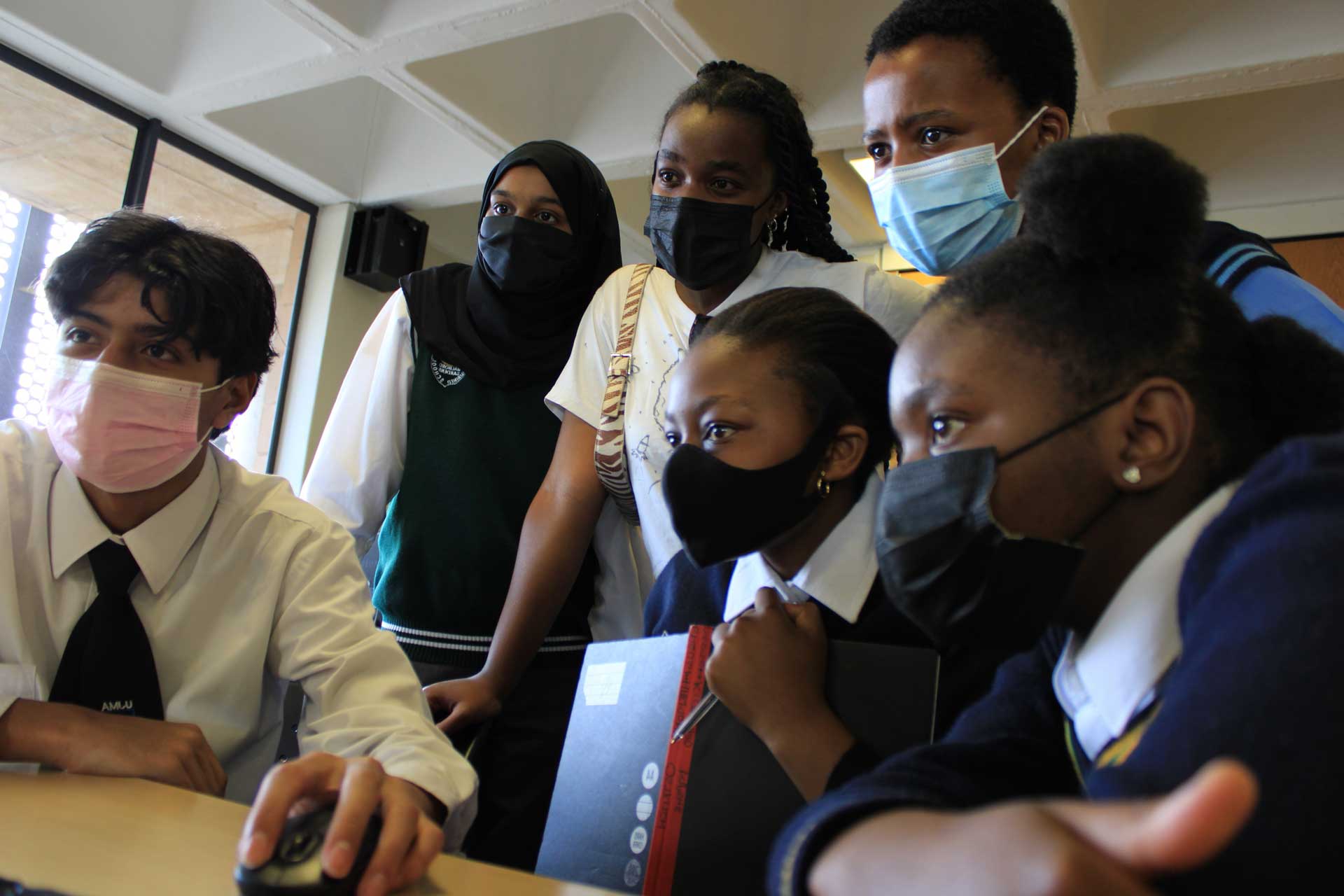
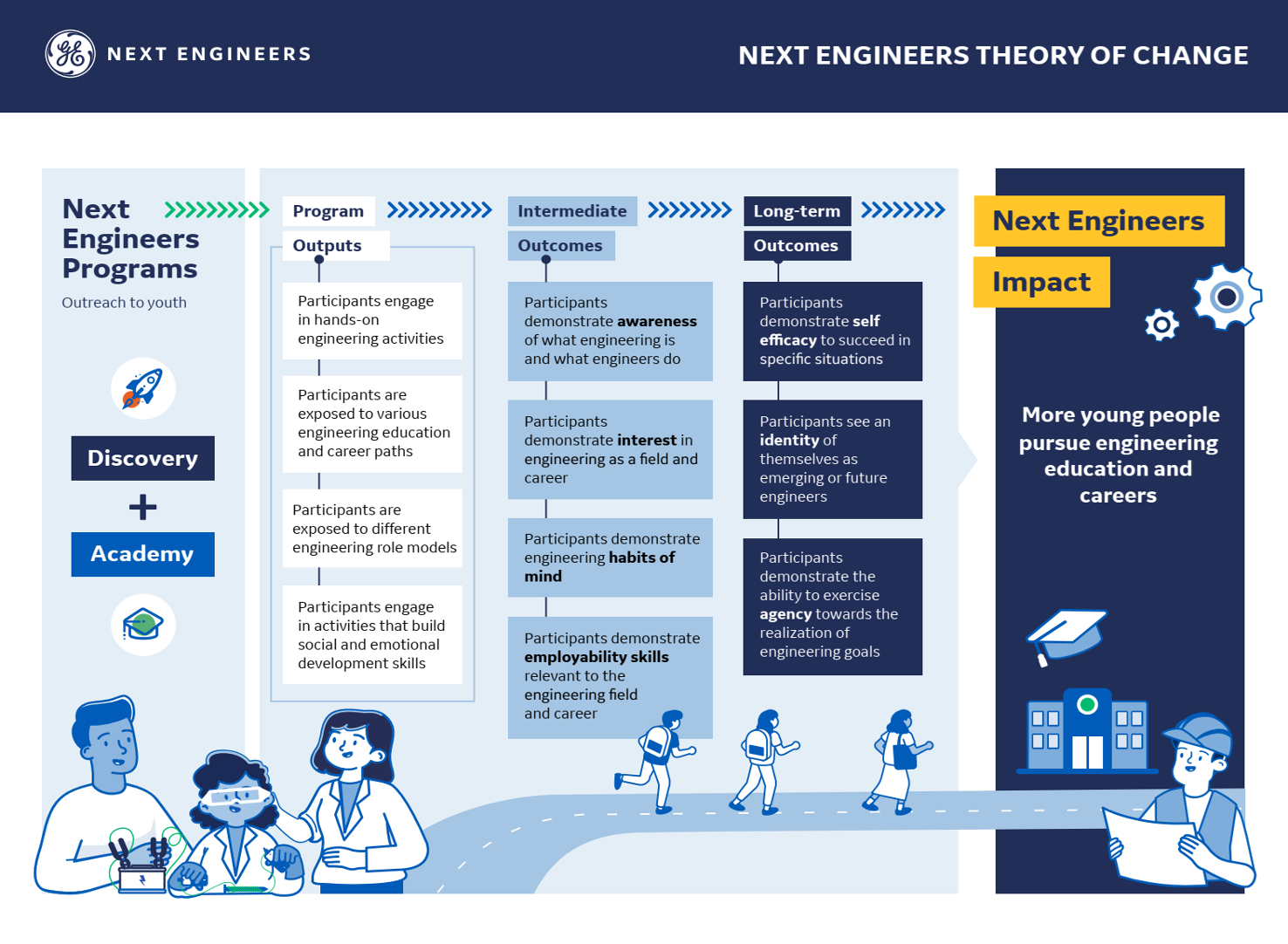
Next Engineers programs are structured learning experiences designed to increase students’ engagement with engineering. They combine hands-on challenges, exposure to pathways and role models, and skill-building so that students don’t just learn about engineering—they start to see themselves as capable of doing it and pursuing it.
Connecting young people - especially those with limited access - to meaningful engineering opportunities.
Next Engineers works with local city implementers to recruit and select students who might not otherwise have access and gives them engineering and skill building experiences that feel welcoming, relevant, and achievable.
Deeper learning pathway that builds skills, confidence, and readiness.
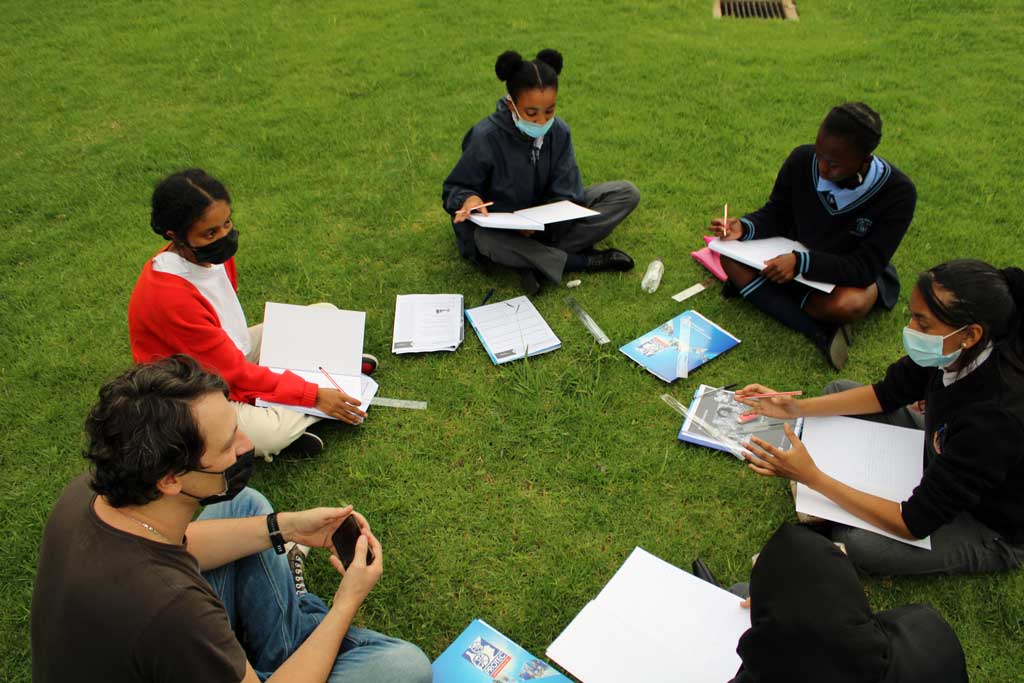
A deeper, longer-term (over 2 years), and out-of-school learning experience that builds capability and readiness for engineering pathways through more sustained engineering challenges, skill-building, mentoring, and exposure to education/career routes that prepare students for next steps.
Students do real engineering-style tasks—design, build, test, improve.
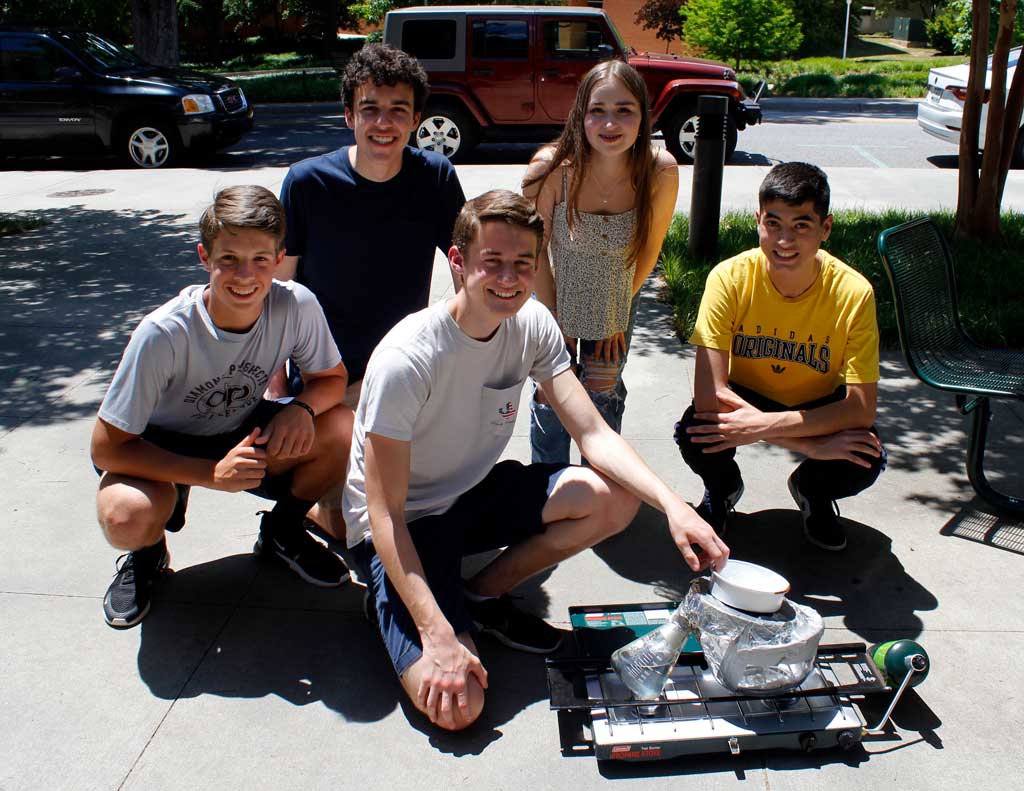
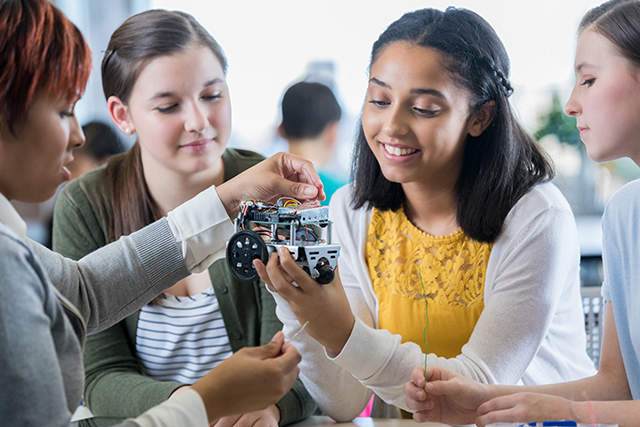
Students get to work on authentic engineering design challenges – problem-solving, designing, building, testing, and improving real prototypes. Design challenges offers natural moments for feedback, teamwork, and reflection, build understanding, competence, and confidence, and give a real and tangible feel for what engineering work is like.
Students learn what different engineers do and what routes into engineering exist.
Students learn about different kinds of engineers, different engineering careers, and different routes into engineering. Understanding pathways helps students make informed choices, see realistic next steps and plan multiple ways forward.
Students meet engineers who make engineering feel real and relatable.
Students meet and learn from real engineers and near-peers with relatable stories. Hearing what engineers actually do can shift beliefs about who engineering is for. Role models connect classroom learning to the real-world and help students imagine themselves in engineering.
These are the changes you can often see sooner, including shifts in understanding, motivation, and ways of thinking.
More details on intermediate outcomes goes here... You can add links, lists, and images here as well.

- list item 1
- list item 2
- list item 3
Students can explain what engineering is, what engineers do, and why it matters.
Students can explain what engineering is, what engineers do, and why it matters. They develop a clearer mental model of engineering that corrects misconceptions (“engineering is only fixing machines” or “engineering is only for geniuses.”). They also understand the education and career pathways available to become an engineer.
Students feel motivated to explore engineering further and keep engaging.
Students feel curious and motivated to keep learning more about and engaging with engineering, and to consider engineering as a career pathway. Interest drives voluntary effort – choosing options, dedicating time, and sticking with challenges.
Students begin thinking and acting like engineers.
Students start thinking and acting like engineers, emulating the essential attitudes, values, and ways of thinking that define how engineers approach problems and design solutions, encompassing creativity, systems thinking, problem-finding, visualizing, improving, and adapting. These habits are the foundation of engineering practice, not just engineering knowledge.
Students strengthen transferable skills like teamwork, communication, and planning.
Students develop the transferable knowledge and skills engineers rely on, and that are necessary to navigate the transition from secondary education into postsecondary educational, training, and work opportunities. These include people skills, communication skills, self-management, thinking skills, and academic and career skills.
These are the deeper shifts, the development of more durable beliefs and behaviors that support real engineering pathway decisions.
Learn more about the important interactions between the long-term outcomes.
There are important interplays and interactions between the three long-term outcomes.
Inside a well-designed learning environment, students develop interest, receive recognition, and build competence. Those experiences foster an engineering role identity — the sense that “I think and act like an engineer.” This identity strengthens self-efficacy — the belief that “I can succeed at engineering tasks.” When identity and self-efficacy come together, they enable agency — the willingness to take intentional action. Agency is where identity becomes behavior. When students act — when they persist, redesign, speak up, and lead — those actions reinforce their identity. So this isn’t just about confidence. It’s about designing environments that move students from “I am this” to “I can do this” to “I will do this.”
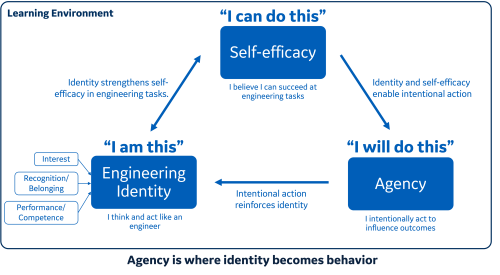
Students believe they can succeed at engineering tasks.
Students come to believe that they can succeed at engineering tasks (tackling problems, using tools, communicating ideas, and improving designs). It fuels a commitment to learning, confidence in one’s knowledge, and aptitude in applying engineering skills. Self-efficacy predicts persistence and the ability to keep going, especially when tasks are complex or unfamiliar.
Students see themselves as someone who can think and act like an engineer.
Students begin to see themselves as the kind of person who can think and act like an engineer. This is developed through authentic mastery experiences, the recognition of others, and feeling one belongs in engineering. A strong role identity supports long-term commitment. When students feel “this is me,” they’re more likely to choose and stay on a pathway.
Students take intentional steps toward engineering.
Students take intentional actions that move them toward an engineering career by seeking opportunities, making plans, asking for help, and following through. Agency is where belief turns into behavior. It’s how students convert interest, identity and self-efficacy into action.
More young people pursue engineering education and careers.
Over time, more students choose engineering-related courses, qualifications, and career pathways and persist with them. This is the ultimate purpose of the Next Engineers – to increase participation in engineering and expand who gets to become an engineer.