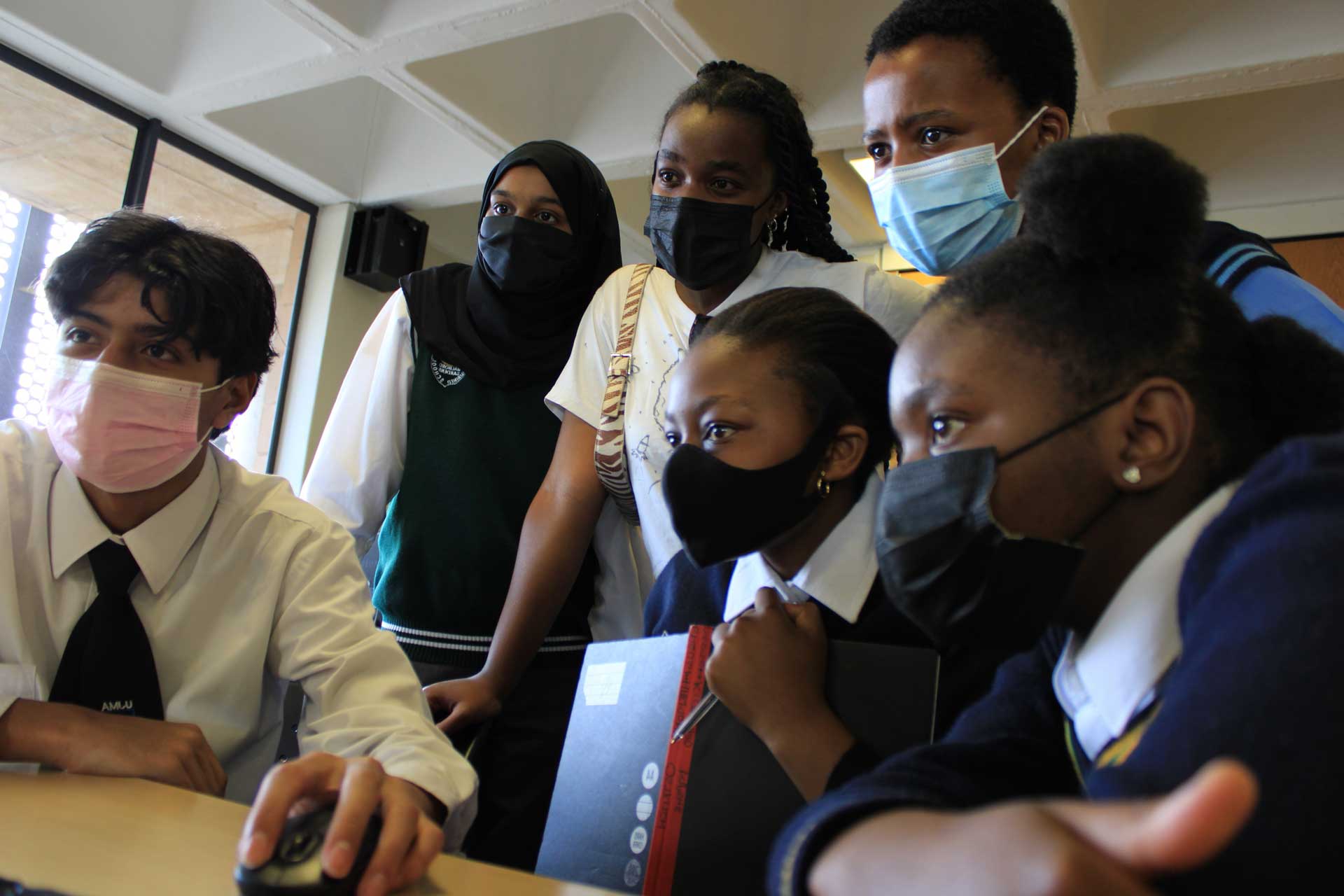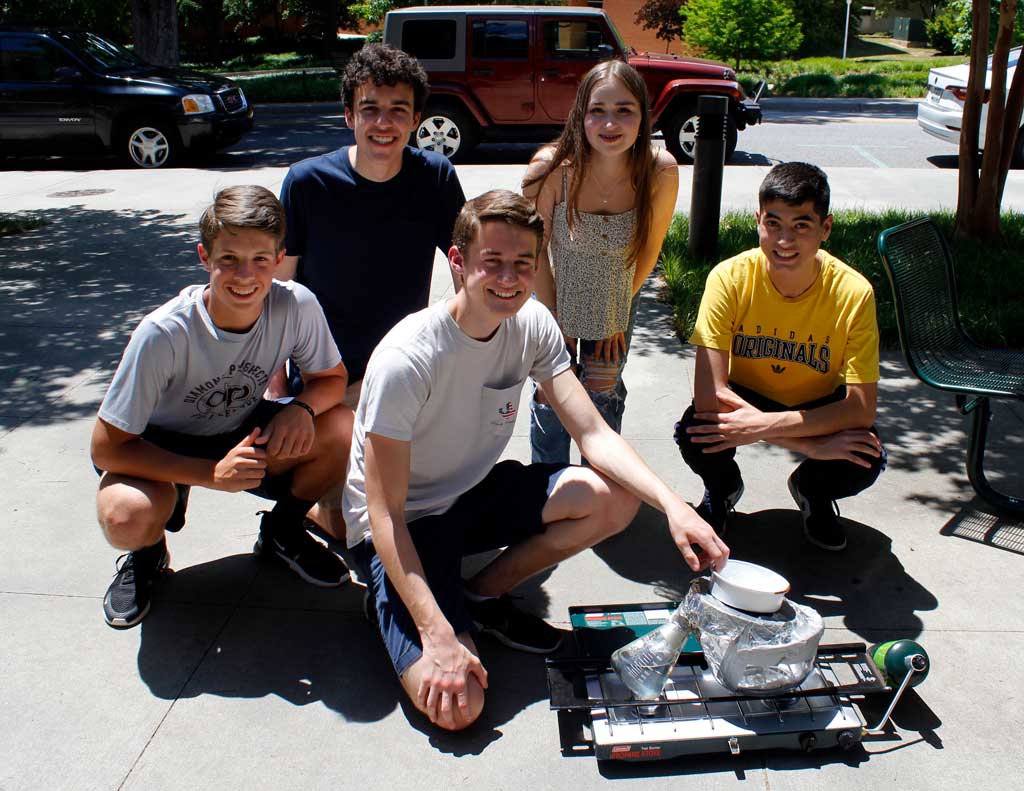
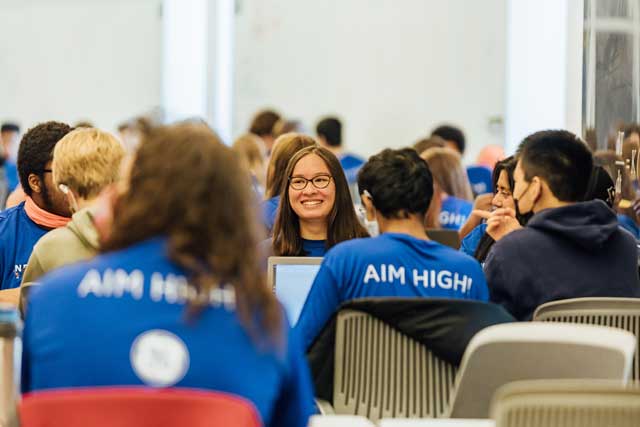
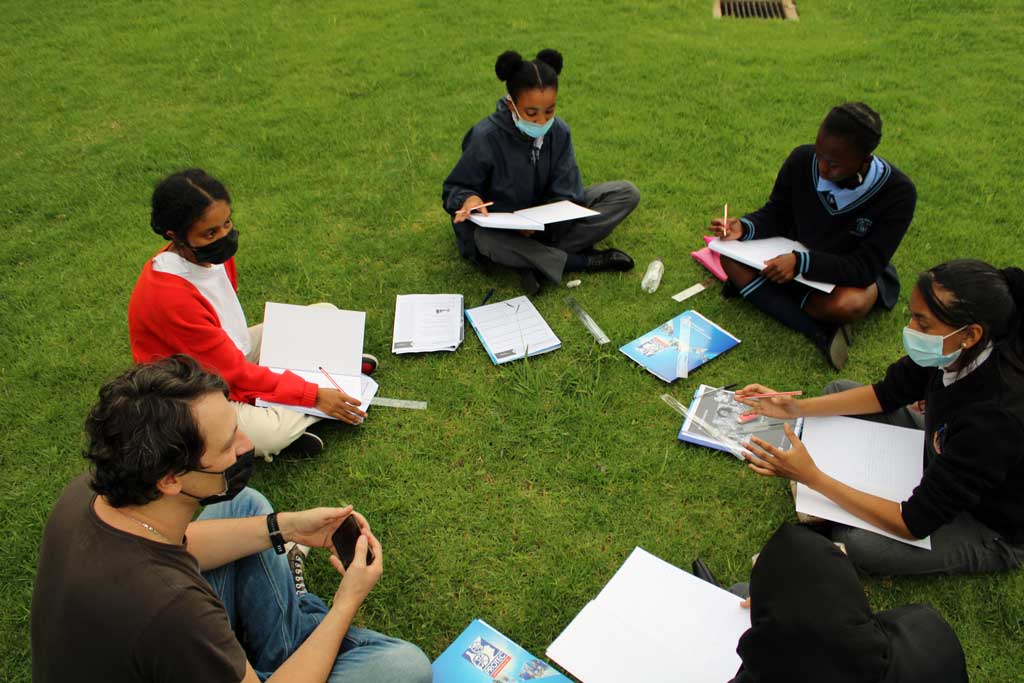
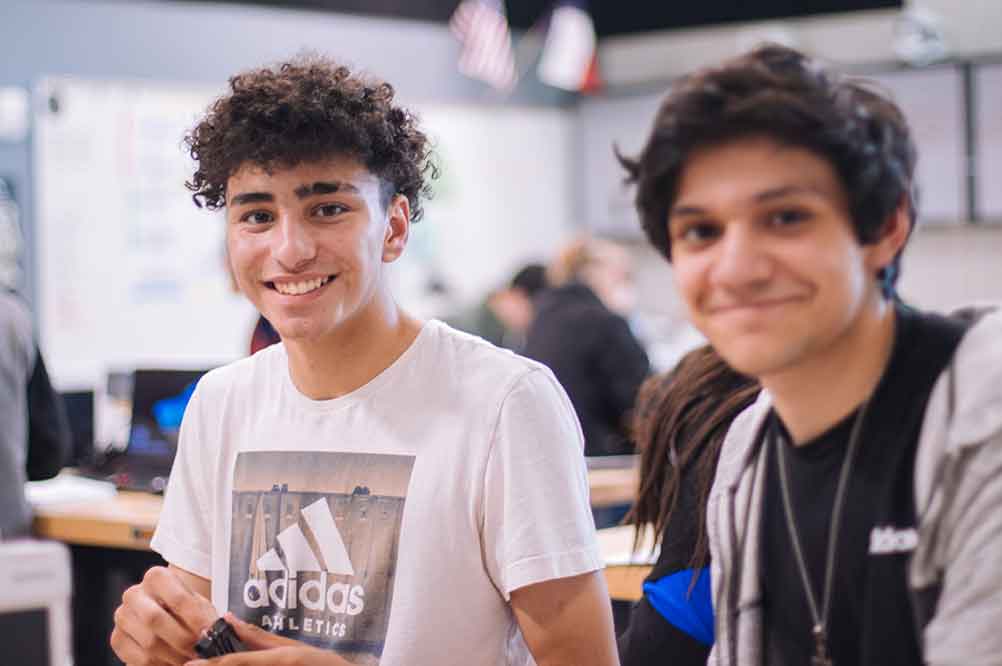
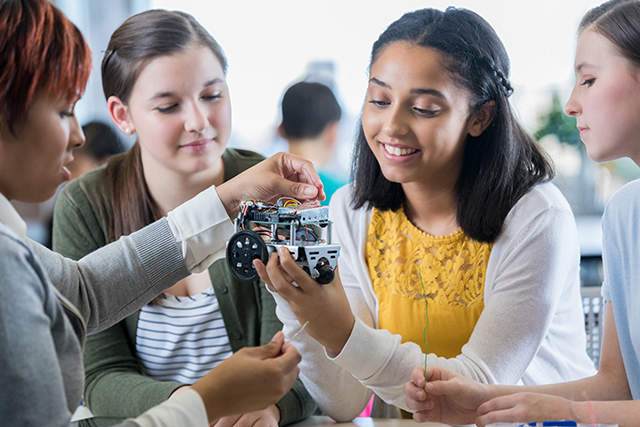
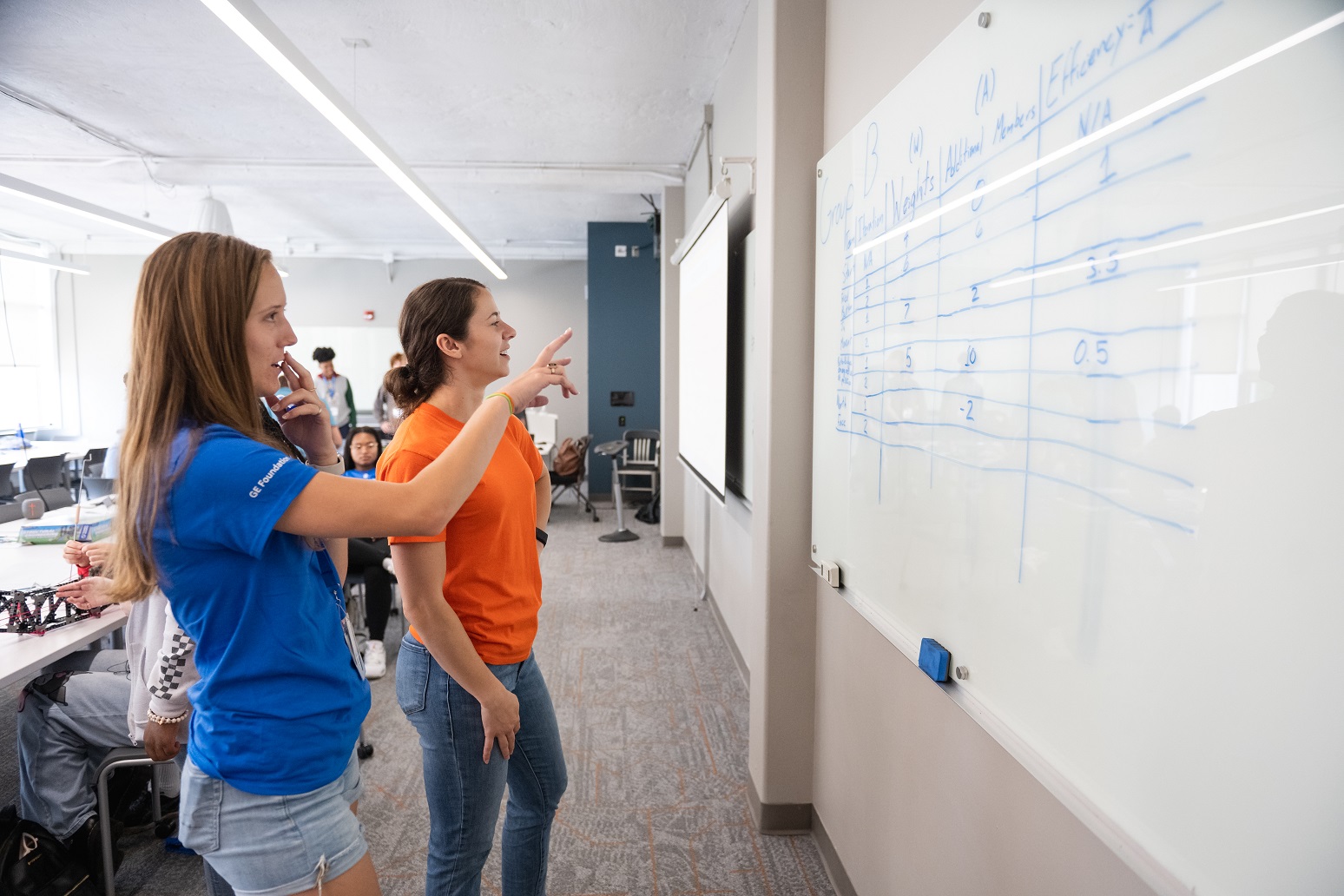
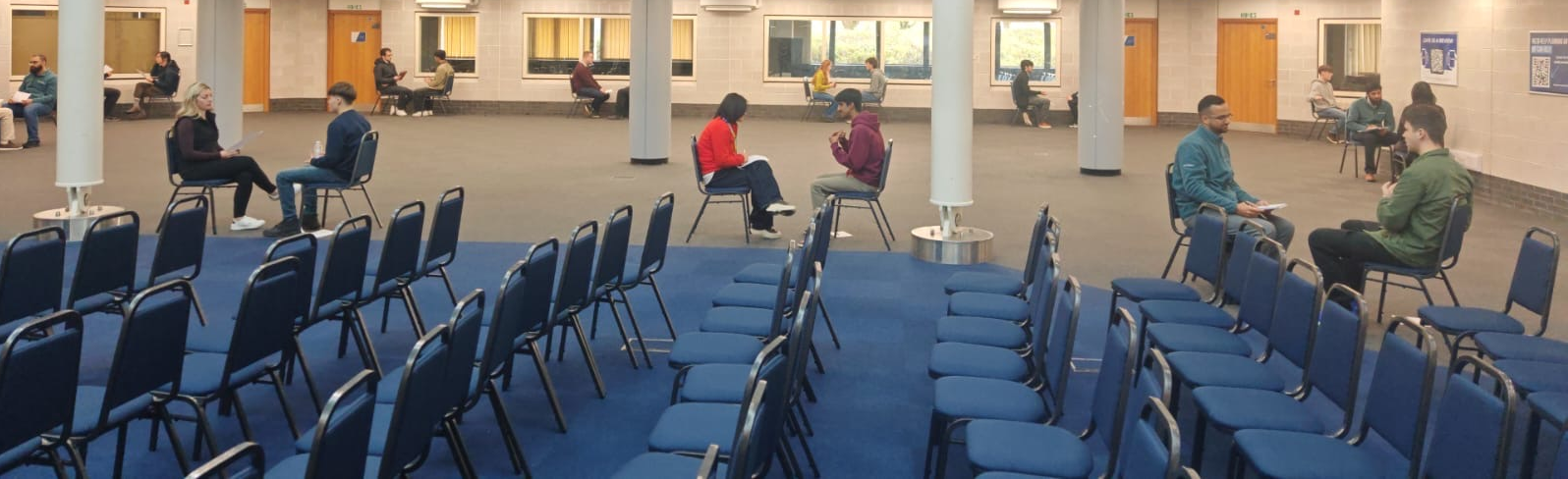
As part of Next Engineers in Staffordshire, delivered in partnership with The Inspirational Learning Group, students recently had the opportunity to work alongside industry professionals and explore what a future in engineering could look like.
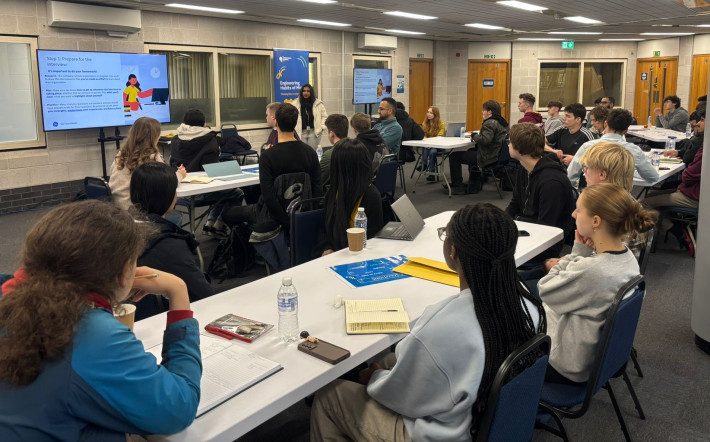
During the Academy session, we caught up with Fatima Amara, a Lead Control and Protection Engineer at GE Vernova, who volunteered her time to support students as they developed ideas, worked through challenges, and built confidence in presenting their thinking. We asked Fatima why programmes like this matter and what volunteering means to her.
Q&A with Fatima Amara - Lead Control and Protection Engineer, GE Vernova
What skills and opportunities do programmes like Next Engineers give young people?
It gives young people a real opportunity to speak about their ideas and lead them. They learn how to explain their thinking, convince others, and build confidence in their ideas. I’m really impressed by how well organised the programme is and how much it supports young engineers.
Why is a programme like Next Engineers important for young people?
It allows young engineers to interact with experts and practise their skills in a real-world setting. It also helps them understand their strengths and identify areas they want to develop further.
How do you support young people during the programme?
The first thing is listening. Young people need space to express themselves and share their ideas. I then encourage them by talking about my own work as an engineer and showing how what they’re doing links to real-life engineering. Every big business starts with a small idea, and even a small idea can solve a big problem.
Why is volunteering important to you?
Volunteering is as important to me as a paid job. I started volunteering in 2012, and it gives me real joy to know I’m contributing to the community where I live and encouraging others to do the same.
What advice would you give to a young person considering a career in engineering?
Speak up about your ideas and don’t doubt yourself. Surround yourself with people who are passionate, keep learning, and don’t be afraid to ask for help. Finding mentors and learning from others in the field can make a huge difference.
Looking ahead
Volunteers play a vital role in programmes like Next Engineers, bringing real-world experience into the classroom and helping young people see what’s possible. Through conversations like these, students gain confidence, motivation, and a clearer understanding of where their ideas could take them.
Inspiring students to one day become volunteers themselves is something we continue to see creating a cycle of support, encouragement, and shared learning that strengthens the future of engineering.