
User account menu

  • Log in
Home Next Engineers
  • About
    • Our Program
    • Our Leadership
    • Volunteer
    • What Do Engineers Do?
    • Becoming an Engineer
    • FAQs
    Building a better world
    We are increasing the number of engineering innovators and leaders who will make what’s next for the world even better.
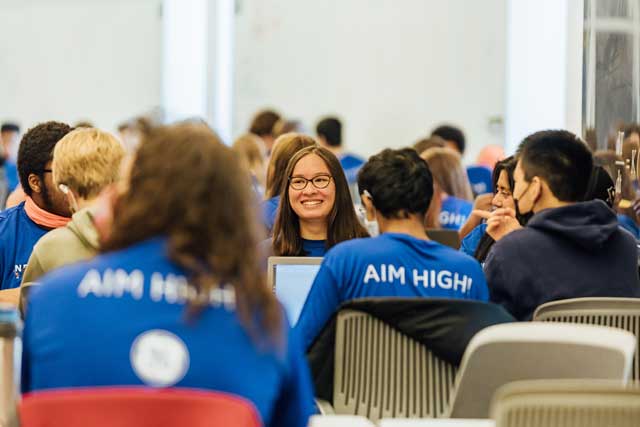
    Group of students
  • Programs
    • Engineering Academy
    • Engineering Camp
    • Engineering Discovery
    • Engineering at Home
    Driving change
    Inspiring the next generation of engineers to build a more creative, innovative, sustainable world.
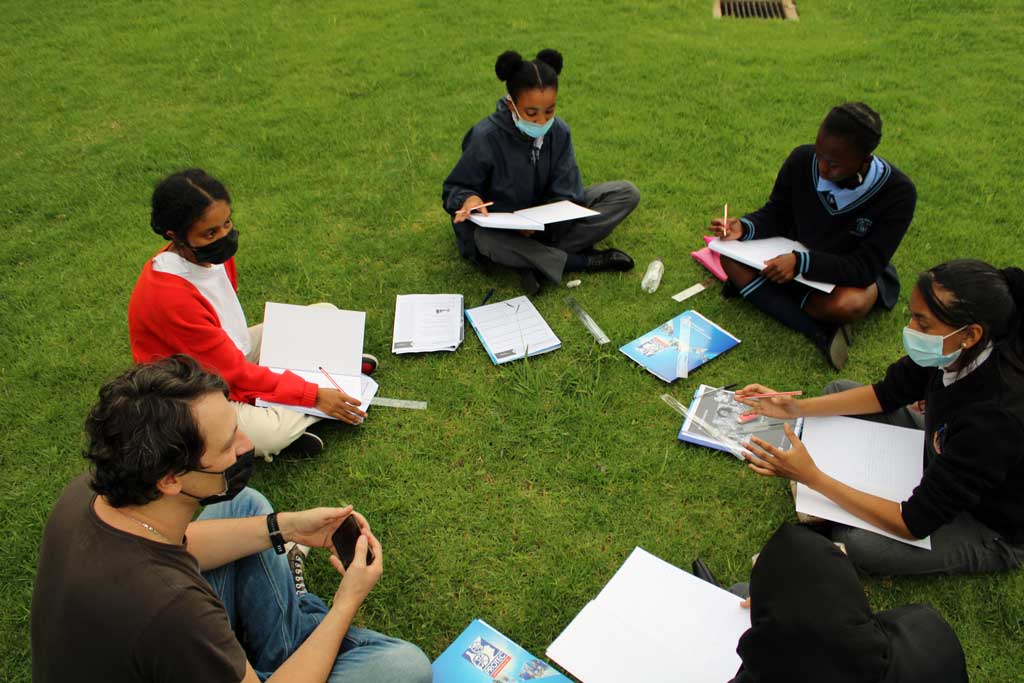
    Engineering students
  • Locations
    • Bengaluru, India
    • Cincinnati, OH
    • Greenville, SC
    • Johannesburg, S.A.
    • New York Capital Region
    • Staffordshire, U.K.
    • Warsaw, Poland
    • Global Discovery
    GE businesses around the world are inspiring young minds
    Find city profiles, activities and how to join.
    Aim high
  • News
    Latest news & updates
    Read all news, updates, and happenings from the Next Engineers initiative.
    A group of students and teacher
  • Log in

Main navigation

  • About
    • Our Program
    • Our Leadership
    • Volunteer
    • What Do Engineers Do?
    • Becoming an Engineer
    • FAQs
  • Programs
    • Engineering Academy
    • Engineering Camp
    • Engineering Discovery
    • Engineering at Home
  • Locations
    • Bengaluru, India
    • Cincinnati, OH
    • Greenville, SC
    • Johannesburg, S.A.
    • New York Capital Region
    • Staffordshire, U.K.
    • Warsaw, Poland
    • Global Discovery
  • News
  • Log in

Cities navigation

GE businesses around the world are inspiring young minds
Find city profiles, activities and how to join.
Aim high

Inspiration navigation

Driving change
Inspiring the next generation of engineers to build a more creative, innovative, sustainable world.
Engineering students

News navigation

Latest news & updates
Read all news, updates, and happenings from the Next Engineers initiative.
A group of students and teacher

Resources navigation

Explore all resources
Find the tools that you need to run a successful Next Engineers program, including communication collateral and templates, student and volunteer outreach materials, student activity guides, engineering challenges, and Monitoring & Evaluation resources.
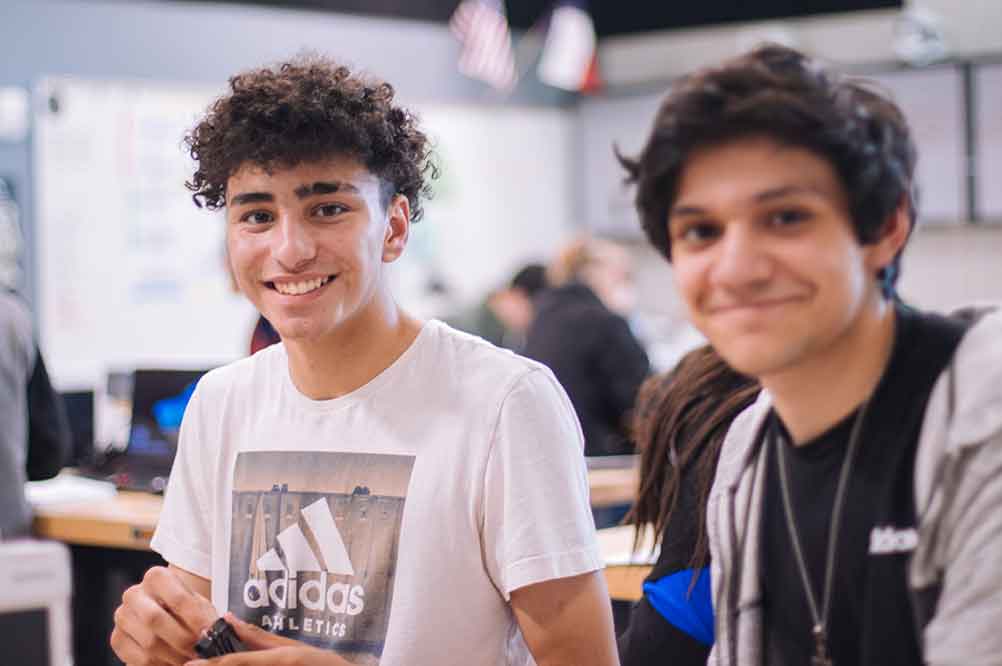
Two male engineering students at a table in a classroom smiling. Photo by Jeswin Thomas on Unsplash.
Building a better world
We are increasing the number of engineering innovators and leaders who will make what’s next for the world even better.
Group of students
Challenge Yourself
Find activity guides and resources to help you as students, parents, and teachers stay curious and build worlds that haven't even been thought of yet.
Challenge yourself
Measuring Impact
Partners and volunteers can explore real-time data on each Next Engineers program to see the difference they’re making in their communities.
Facilitator Amber showing the whitebaord
Tiny machines banner
  • DIY
Tiny Machines
Tiny Machines Part 1: Why Small is Big
Nerd Out
PDF Download

The Big World of the Small

Welcome to the very big world of the very small. You may have heard about nanotechnology but what exactly is it and why does it matter? Nanotechnology is manipulating molecules (and even individual atoms) to make things that use the unique properties of matter at very small scales.

But how small are we talking? Nanotechnology deals with things between 1 and 100 nanometers. A nanometer (nm) is one billionth of a meter. That means that the difference between a nanometer and a meter is the same as the difference between a marble and the Earth.
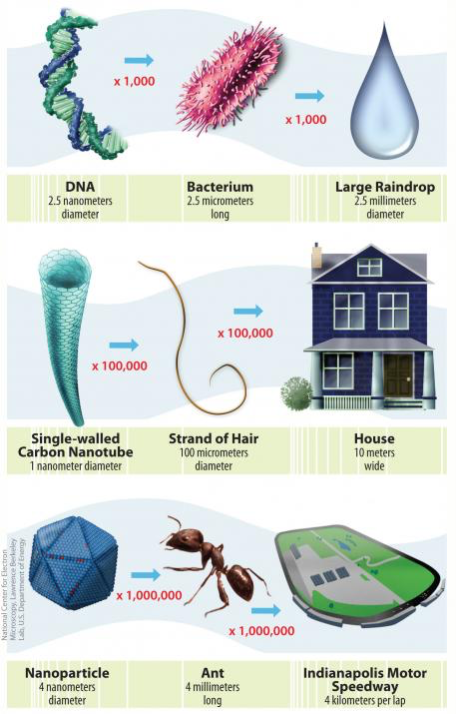
The scale of things 
This image is credited to The National Center for Electron Microscopy, Lawrence Berkley National Laboratory, US Department of Energy and is used under fair use.
know primary
Did you know?

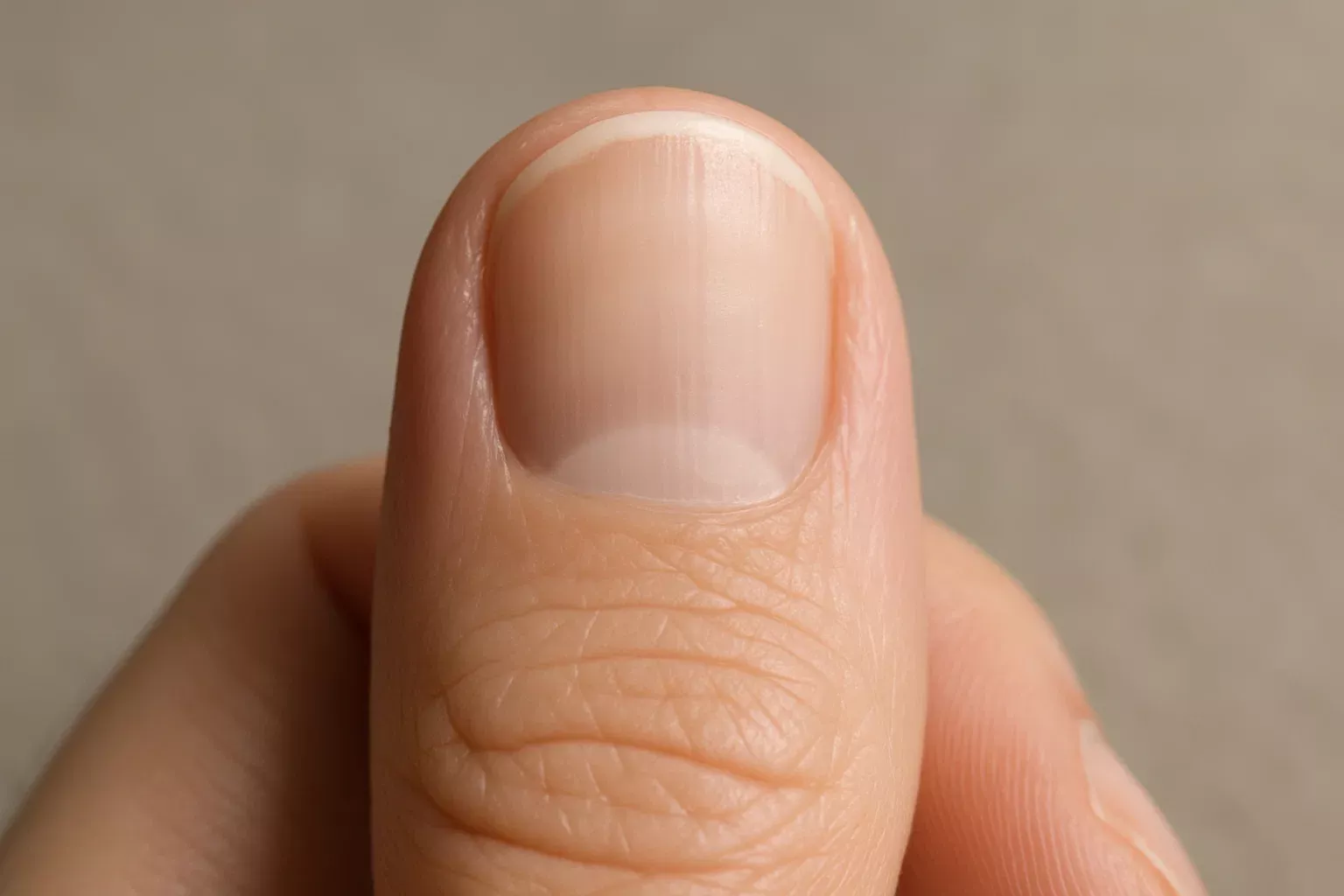
Your fingernails grow about 86,000 nm per day or about 1 nm per second.

Fingernail

For a visual sense of this scale, have a look at the interactive animation at Secret Worlds: The Universe Within. Here you can step through different levels of magnification from the Milky Way galaxy down to individual protons.

have a think primary
Have a think

If people were the size of nanoparticles, how many people could you fit into a teacup?

People in cup
Why it matters

It turns out that nanoparticles can exhibit different properties from things at the human scale. Some are stronger while others are more reactive. Some have different magnetic properties, while some are better conductors of electricity and heat. Still others can change color depending on how big they are. For example, a nano gold bar can appear red or purple (depending on its size) and has a lower melting point than an ordinary gold bar.

This ‘strangeness’ is partly because, at the nano scale, quantum effects tend to dominate. It is also because at this scale, surface area plays a much larger role. The ratio of surface area to volume is much greater.

know primary
What's Quantum Physics?

The ordinary rules of nature we are so familiar with don’t work at the nano level. Here, things follow quantum mechanics, a set of rules that describe how atoms and sub-atomic particles interact. If You Don't Understand Quantum Physics, Try This!

Take the following two blocks as an example.
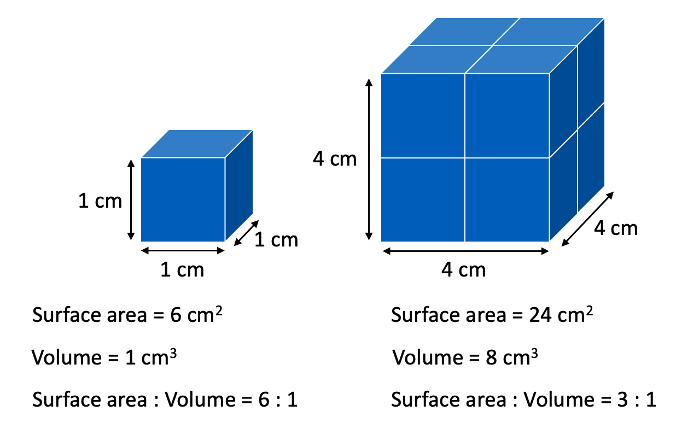
The smaller block has a greater surface area to volume ratio. It has more surface area per unit volume. This can make nanomaterials behave in some unusual and unexpected ways.


Have a think

We know that the total surface area of a 1 cm3 block is 6 cm2. If we divided this 1 cm3 block into blocks each 1 mm3 in volume, what would the total surface area of all these blocks be in cm2?

HINT: If there are 10 mm in 1 cm how many 1 mm3 blocks would fit inside a 1 cm3 block?

important-tip primary
Learn more

To learn more about nanotechnology and why it is increasingly important, read the article called Ten things you should know about nanotechnology.

Natural nanotech

As clever as scientists and engineers are, nature is just as clever. Nature basically runs on nanotechnology! For example, geckos can climb walls so easily because of nano-hairs on their feet that get so close to the wall that the atoms in the hairs are attracted to the atoms in the wall making the gecko’s feet stick.
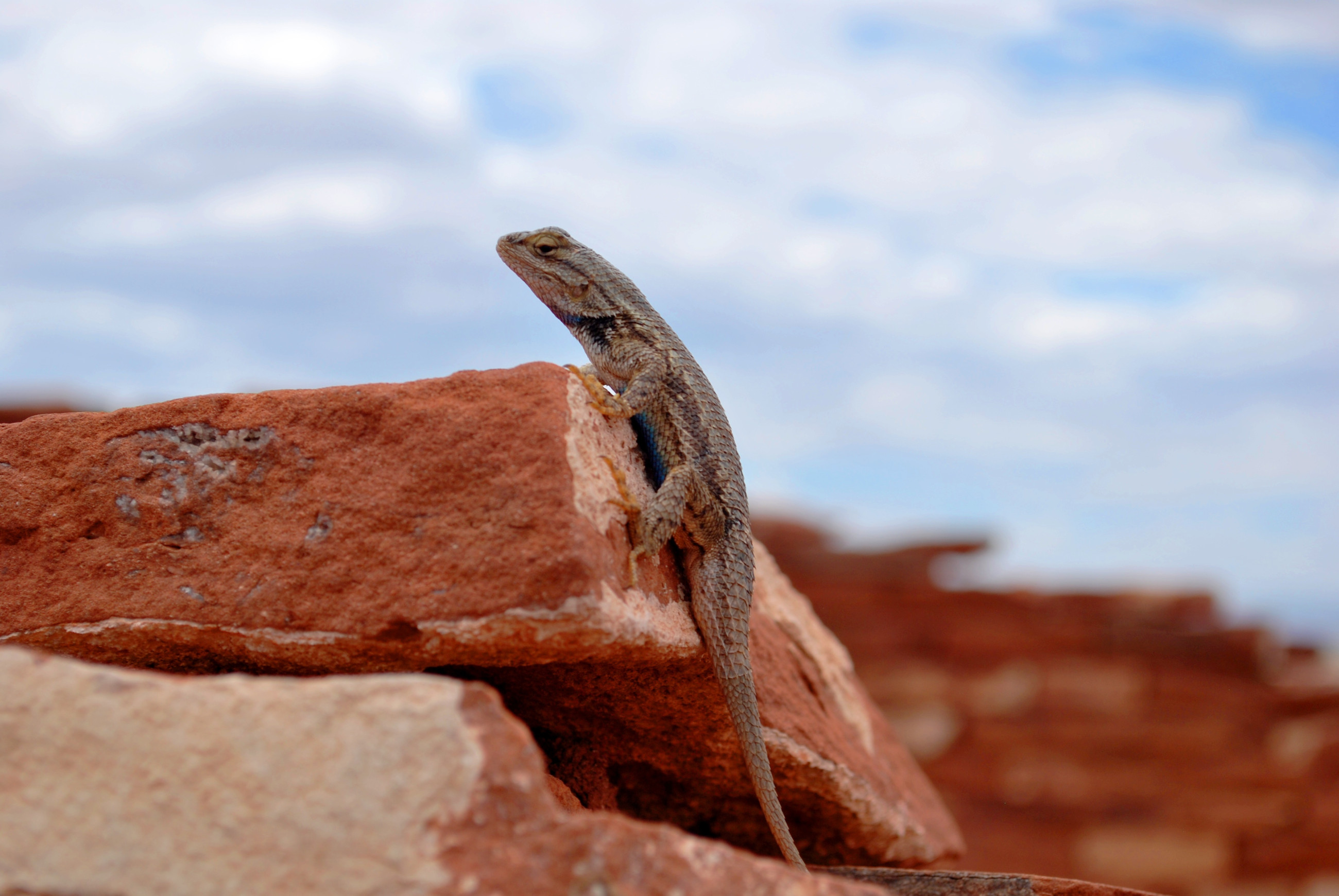
Gecko climbing rock

What would you do with this sticky feet superpower? What useful products can you imagine that would use similar nano-engineering?

Or how about the amazing colors of some butterfly and bird wings? These are not all normal pigments. Some of these colors are because of nanostructures. Depending on their size, they refract light differently and, therefore, look different colors. What amazing uses can you think of for materials made up of these kinds of nanostructures?
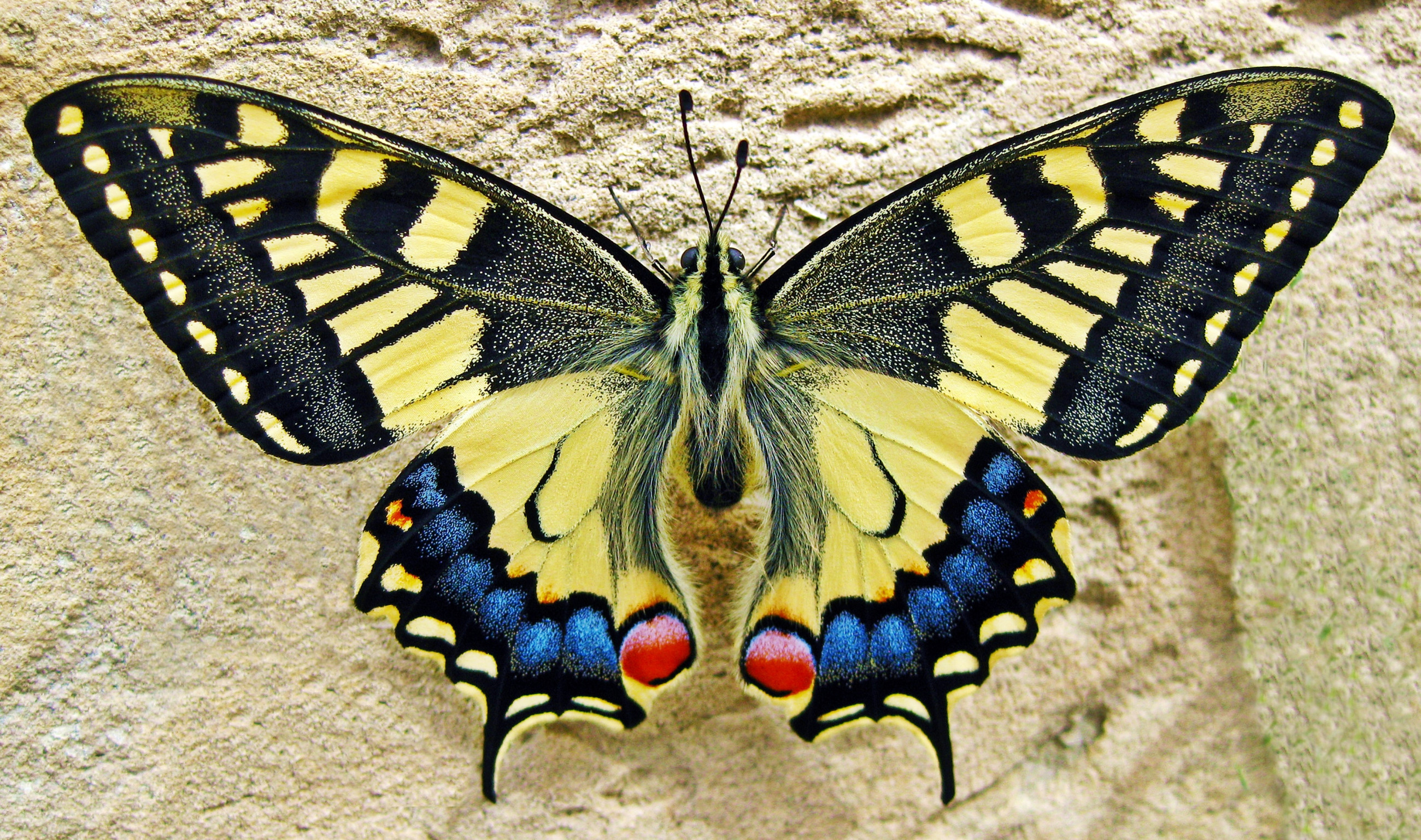
Butterfly
Learn more

If you want to find out more about natural nanotechnology, start by watching these great videos.

Natural Nanotech: How Geckos Climb Walls

Learn the secrets of how geckos can climb walls.

Watch Now
Natural Nanotech: Bright Colors from the Nanoscale

Many of the colors in butterfly wings are the result of nanostructures not pigments.

Watch Now
The Tiny Guide to Nanotechnology

Nanotechnology is about more than computer chips and circiut boards. Watch this video to dive deeper into the tiniest of tiny technologies.

Watch Now
Big Things from a Tiny World

Watch this video to learn how some of the tiniest things might help address some of the biggest problems.

Watch Now
See All Activities

Explore more at DIY Activities

Read more

Tiny Machines

Part 2: Making Tiny Machines

Read more


See All Activities
Connect

Want to know more or how to get involved? Are you an aspiring engineer or do you know one? We want to hear from you. Send us your questions and follow us on social media:

Contact us: NextEngineers@fhi360.org

Follow GE Aerospace
Instagram LinkedIn X YouTube

Follow GE VERNOVA
Instagram LinkedIn X YouTube
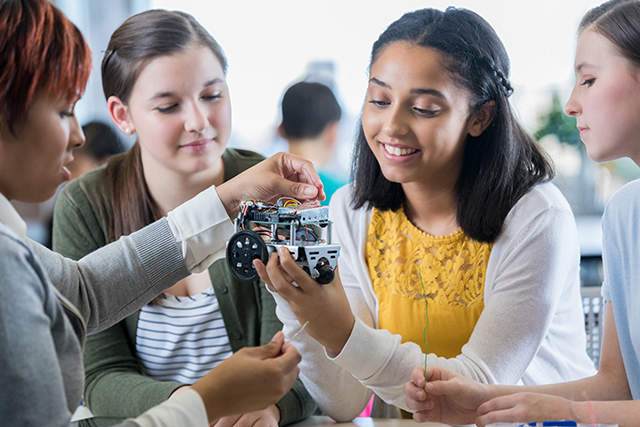
A groups of students

Footer menu

  • Home
  • About
  • Inspiration
  • Cities
  • News

Footer secondary

  • Terms of use
  • Privacy Policy
  • Cookie Policy
  • Research Study Notice
  • Next Engineers Privacy Notice
  • GE Aerospace
  • GE Vernova
© 2026 FHI360