
User account menu

  • Log in
Home Next Engineers
  • About
    • Our Program
    • Our Leadership
    • Volunteer
    • What Do Engineers Do?
    • Becoming an Engineer
    • FAQs
    Building a better world
    We are increasing the number of engineering innovators and leaders who will make what’s next for the world even better.
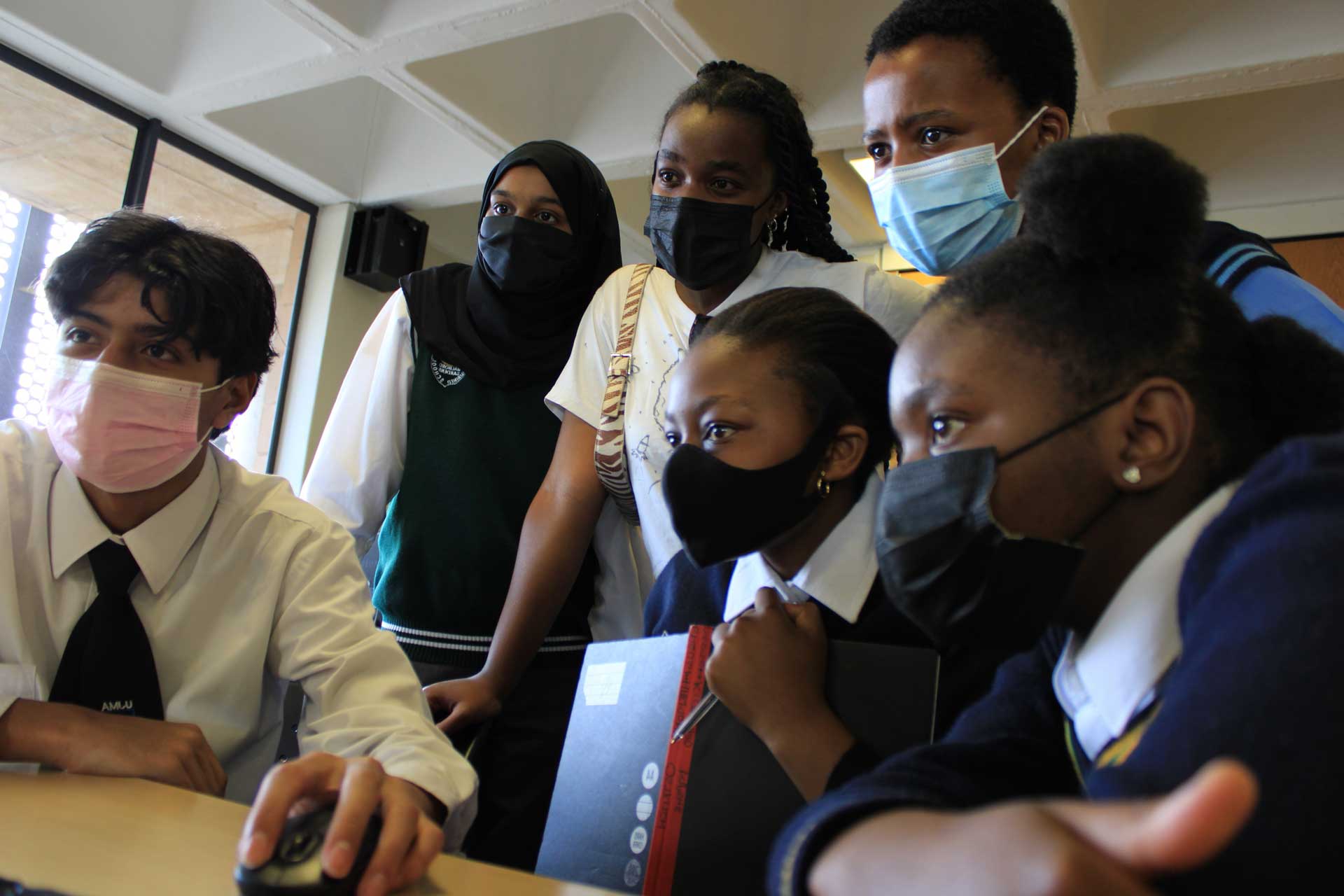
    Group of students
  • Programs
    • Engineering Academy
    • Engineering Camp
    • Engineering Discovery
    • Engineering at Home
    Driving change
    Inspiring the next generation of engineers to build a more creative, innovative, sustainable world.
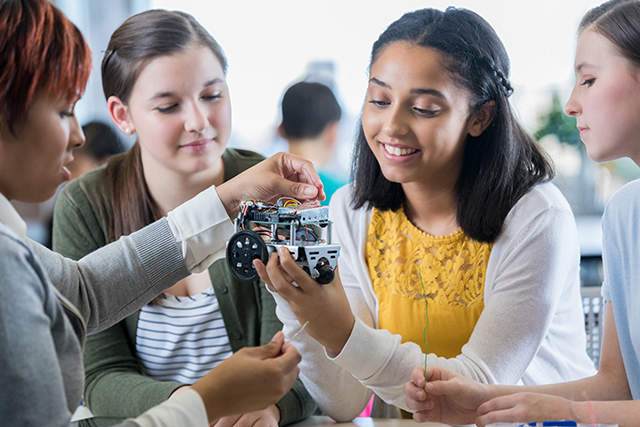
    Engineering students
  • Locations
    • Bengaluru, India
    • Cincinnati, OH
    • Greenville, SC
    • Johannesburg, S.A.
    • New York Capital Region
    • Staffordshire, U.K.
    • Warsaw, Poland
    • Global Discovery
    GE businesses around the world are inspiring young minds
    Find city profiles, activities and how to join.
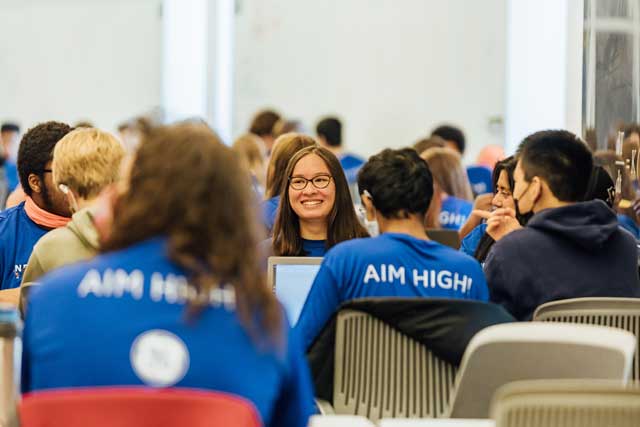
    Aim high
  • News
    Latest news & updates
    Read all news, updates, and happenings from the Next Engineers initiative.
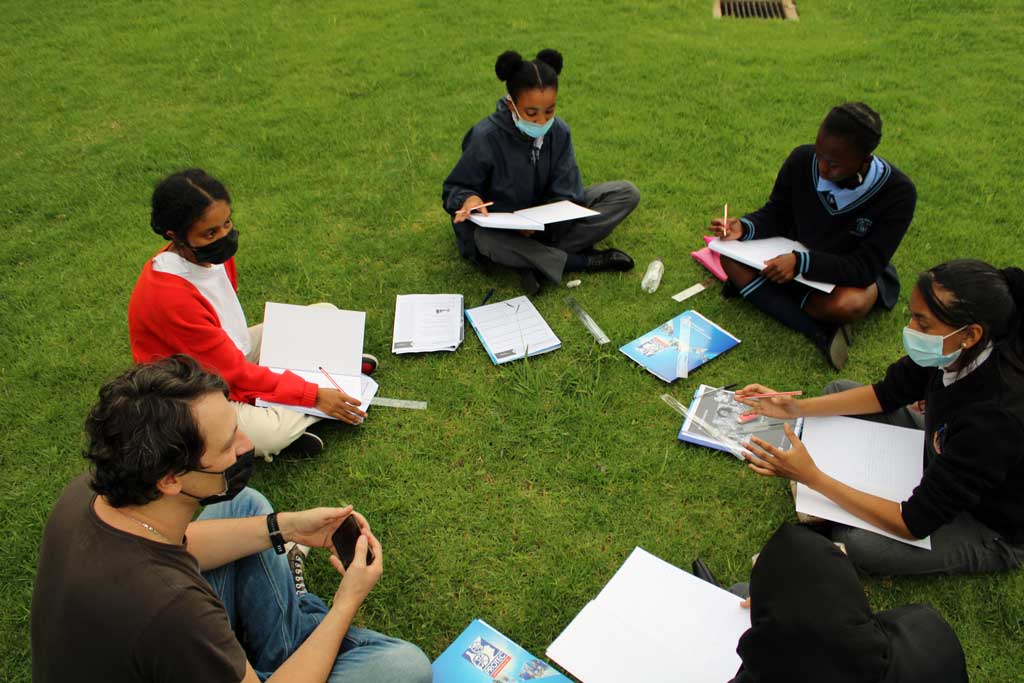
    A group of students and teacher
  • Log in

Main navigation

  • About
    • Our Program
    • Our Leadership
    • Volunteer
    • What Do Engineers Do?
    • Becoming an Engineer
    • FAQs
  • Programs
    • Engineering Academy
    • Engineering Camp
    • Engineering Discovery
    • Engineering at Home
  • Locations
    • Bengaluru, India
    • Cincinnati, OH
    • Greenville, SC
    • Johannesburg, S.A.
    • New York Capital Region
    • Staffordshire, U.K.
    • Warsaw, Poland
    • Global Discovery
  • News
  • Log in

Cities navigation

GE businesses around the world are inspiring young minds
Find city profiles, activities and how to join.
Aim high

Inspiration navigation

Driving change
Inspiring the next generation of engineers to build a more creative, innovative, sustainable world.
Engineering students

News navigation

Latest news & updates
Read all news, updates, and happenings from the Next Engineers initiative.
A group of students and teacher

Resources navigation

Explore all resources
Find the tools that you need to run a successful Next Engineers program, including communication collateral and templates, student and volunteer outreach materials, student activity guides, engineering challenges, and Monitoring & Evaluation resources.
Two male engineering students at a table in a classroom smiling. Photo by Jeswin Thomas on Unsplash.
Building a better world
We are increasing the number of engineering innovators and leaders who will make what’s next for the world even better.
Group of students
Challenge Yourself
Find activity guides and resources to help you as students, parents, and teachers stay curious and build worlds that haven't even been thought of yet.
Challenge yourself
Measuring Impact
Partners and volunteers can explore real-time data on each Next Engineers program to see the difference they’re making in their communities.
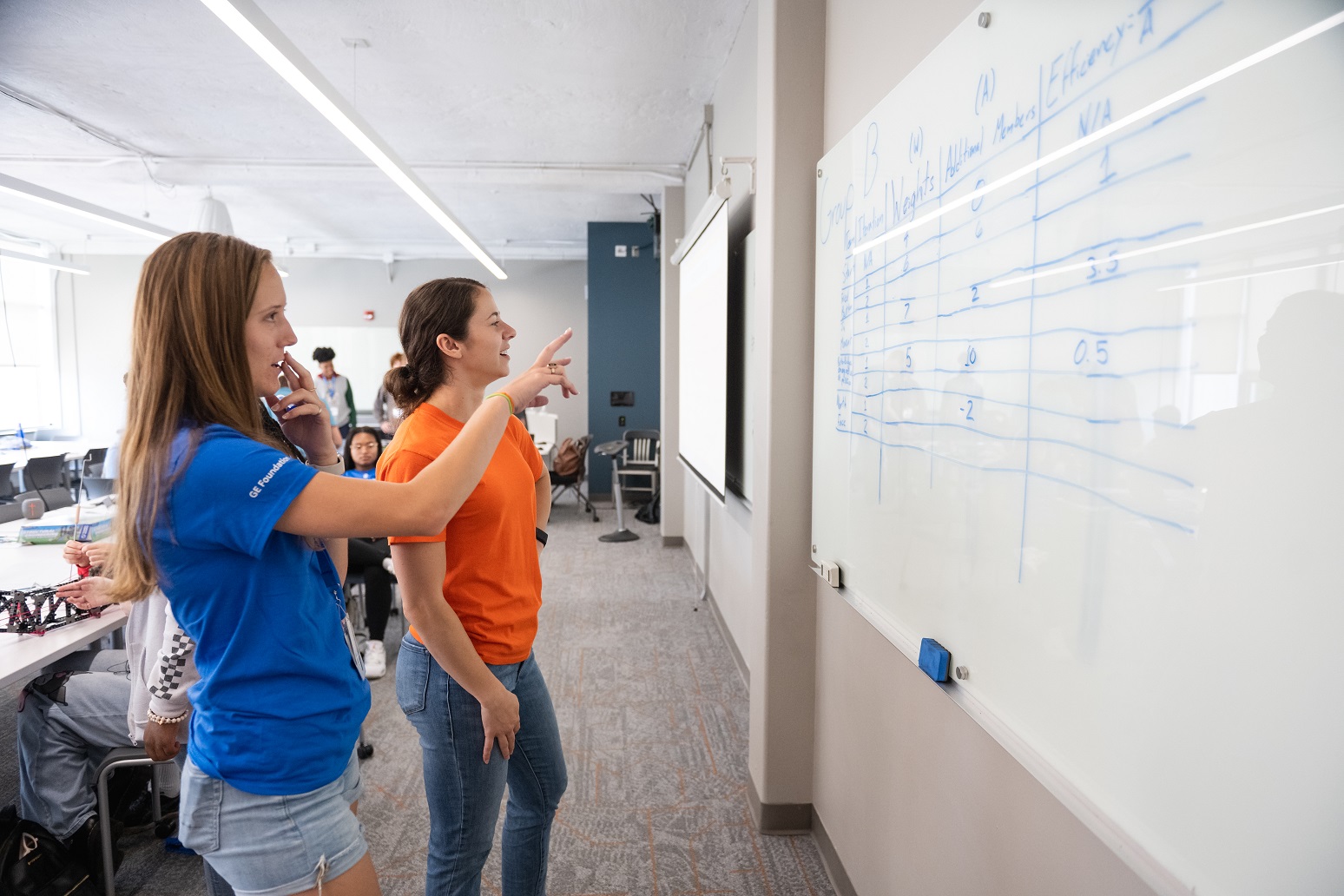
Facilitator Amber showing the whitebaord
Serious Fun banner
  • DIY
Serious Fun
Build It!
Ages Cost Time
14+ Medium Multi-day
PDF Download
About this challenge

Kids love to play, and kids play to learn—naturally! However, play is not just for kids, and it is not just kids who learn through play. Playing is a natural and essential part of being human. It is one of the most effective ways in which people learn the foundational human skills like speech, social interaction, creativity, and problem solving.

While some of the best play is seeded in and inspired by our own shared imaginations, humans have devised and used games for thousands of years. The Royal Game of Ur, for example, was played in ancient Mesopotamia more than 4,500 years ago. And dice, a staple of so many modern games, were first used more than 3,000 years ago by the Persians.

Today, there are literally thousands of different games—from traditional board and card games to video games, dexterity games and, of course, sports!

Your challenge is to design and build a tabletop game (one played on a table) that teaches players something about Science, Technology, Engineering, and/or Mathematics (STEM).

Remember to share your design with the world at #nextengineersdiy. You can design and build on your own, or form a design team with some friends. The choice is yours.


Have a think primary
Monkeys at play
Monkeys at play

Monkeys Play by Owuor Jack is licensed under a CC-BY-SA 4.0 licence.

Success Criteria
  • You can design and build any kind of tabletop game you like (e.g., a board game, a card game, a dexterity game (like Operation) etc.)
  • Your game must be suitable for anyone over 10 years old to play.
  • Your game must teach players something about STEM.
Constraints
  • Your game must not need any special or expensive materials or equipment to play.
  • Your design should not copy any existing commercially available game.
  • You should not spend more than about US$15 (or its equivalent) on your design.
What to do
  • Identify and define the problem

    This design challenge might not be your usual engineering challenge, but, as you will see, the game design process is remarkably similar to the engineering design process. Like engineers, game designers start by asking lots of questions. The central problem to be solved is to design a fun game that will teach players something about STEM.

    Have you ever had an experience (like watching a movie, reading a book, or learning something interesting) and thought “That could be turned into a really cool game”? If you have, you may already have the seeds of the next blockbuster game.

    But first, perhaps the most fundamental question to ask is ‘what is a game?’ This question has many answers, but there are some essential elements shared by almost all games. Here is a list of nine of these essential elements as described by Teale Fristoe on his website League of Gamemakers. Read about each one below.

    • Goals
    • Scoring
    • Actions
    • Resources
    • Uncertainty
    • Space and Time
    • Acquisition
    • Elimination
    • Interaction

    Often, game designers start the process of designing a new game by outlining the theme of the game they would like to design. Here are some initial questions you should ask yourself.

    • What will the theme of your game be? What aspect(s) of STEM would you like to teach using your game? A very popular game called Wingspan, for example, teaches players about birds. The timeless classic Operation teaches players about human anatomy. There is no limit here. You could decide to design a game that teaches players the fundamentals of quantum mechanics or evolution, about the different kinds of beetles or about the basics of electric circuits.
    • What basic kind of game would you like to create? Will it be a board game like Monopoly or a card game like Uno? How about a dexterity game like Jenga, Pick-up Sticks, or Twister?

    Your answers to these questions may change as you continue through the process. That is OK but you need to start somewhere.

  • Gather information

    Game designers, like engineers, dig deep into the problem by collecting information and data and investigating other existing games that might be adaptable. They also talk to people from many different backgrounds to see what games they love playing and why.

    Firstly, one of the best ways you can gather some of this information is to play lots of games yourself. When was the last time you played a tabletop game? If it’s been a while, dust off the box and get playing! If possible, also play games that you have never played before. Play games that everyone has heard about and others that are less well known. Play the games you love and the games you love less. As you do, think about what makes the game fun and engaging. What are the core mechanics? What about the game keeps you playing?

    The more you play, the better and more numerous your own game ideas will become.

    Secondly, because the game you design needs to teach players something about STEM, you need to be clear about the STEM content or skills you want to teach, and you need to make sure that your game teaches people the correct things.

    If necessary, research your topic and make a list of all the information you hope to include in your game. Consider compiling this in the form of a table or a spreadsheet so that you can easily keep track of which aspects have been included in your game as you continue to design it.

  • Generate possible solutions

    Now the fun really starts! Game designers start to brainstorm more detailed ideas about the game they might design. Some of these ideas might be crazy but this is the time for wild ideas and delayed judgment.

    While it is important that your game be as unique and innovative as possible, all games borrow elements from others so don’t be afraid to borrow and build on the best elements of games you love or that other people love.

    One of the key elements of your game design is the core set of mechanisms or mechanics. These are the basic sets of rules and procedures by which the game is played. There are dozens of different game mechanics that you can explore and innovate with. Some of the most fundamental mechanics include:

    • Turn taking – This is one of the most common mechanics. But not all games involve turn taking. In football (soccer), players do not take turns. Games where there is no turn taking often rely on player speed. Note that turn taking does not need to happen clock-wise around a circle!
    • Roll and move – Rolling a set of dice and then moving according to the roll is a very common mechanic used in games throughout history.
    • Racing – In many games, the player that finishes first wins. This could be getting to a certain point on a game board first (like Chutes and Ladders) or earning a certain number of points.
    • Gambling (risk and reward) – Some games require players to take calculated risks. The greater the risk, the greater the potential reward.
    • Rock-paper-scissors contests – Many roleplay and top trump card games pit different characters against one another where one character is stronger in one aspect but weaker in another.
    • Surprise events – Games where players need to pick up a card that tells them to do something unexpected or unknown is an example of a surprise event.
    • Trading – Many games require or allow some form of reciprocal trading between players for them to advance in the game.
    • Alliances – When it is in your interests to team up with some players against others, you are forming alliances.
    • Worker placement – Players decide to place one of a limited set of ‘workers’ in specific locations to perform a certain game function or generate a specific game reward.

    As you start to flesh out the ideas for your game, here are some other questions you should ask yourself:

    • What other games exist already that you could learn from, adapt, or improve?
    • Is there a specific age range you would like to target? Will your game be for school kids, teenagers, adults, or fun for everyone?
    • How many players can play your game?
    • How long do you expect players to play your game? Does a single game last hours, or will players play multiple shorter rounds?
    • What are players trying to accomplish in the game? What’s the objective? How do they win?
    • How do you want players to feel while they play the game? Do you want them to feel thoughtful, panicked, paranoid, or like a conqueror?
    • What other possible game mechanics will help create these feelings in players?
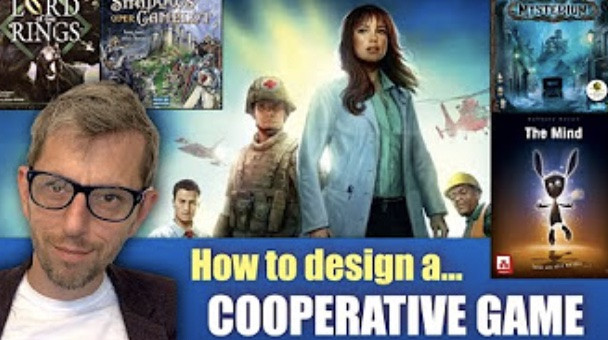
    • How will your game require players to play together.
      • Compete – All players play as individuals to beat other players.
      • Cooperate – All players have to work together to beat the game.
      • Work in teams – Players form teams to beat other teams of players.
      • Partly cooperative – Players can strategically decide if or when to cooperate with other players.
    • Will your game require the use of cards, dice, timers, or other kinds of apparatus (e.g., the battery-powered electric circuits used in Operation)?
    • Will your game involve specific characters? What are these characters like? How do different characters move through or influence the game?

    The Internet is full of useful advice on how to get started with game design. Here are a few resources for you to look at to get you started. Remember to get permission to access the Internet if you need to.

    • How to design a board game
    • Mechanics
    • Top Ten Board Game Mechanisms

    Finally, to help you concretize your ideas, make sketches of your game design and its different elements so that you form an idea of how you are going to build it and what materials, tools, and equipment you will need. No use designing something that needs stuff you can’t get.

  • Create a prototype

    A prototype is a model that works well enough to test part or all of a solution and a game prototype is just the same. It is a version of your game that is good enough to test. It does not need to be flashy or pretty. It does not need to be fully formed. But it does need to be a version that is playable.

    The important idea with all prototypes, game prototypes included, is to build quickly and cheaply so that the costs of changing your mind or your game design are not too high. Use prototypes to learn as much as you can about what works as quickly and as cheaply as you can.

    Remember that one of the criteria is for you to build with materials that are eco-friendly and have as small an environmental impact as possible (visual and otherwise). You also need to make sure that whatever you build will be beneficial to the animal and not cause it any harm or distress.

    To give you an idea for what your game prototype could be, watch the video called Bringing Your Game to Life: How to make a Board Game prototype (12:05). It illustrates different kinds of prototypes that you might consider.

  • Test and evaluate the prototype

    In the world of game design, this step is usually referred to as play testing and it is one of the most important steps. It is only by playing your game that you will discover how easy it is to play, how engaging and fun it is, whether the game mechanics work as intended, and how well it is able to teach the STEM content you want to teach.

    Most prototypes fail in some way, but that is good. It tells engineers and game designers which ideas they should focus more attention on.

    Think about how you are going to test your game. What aspects are you going to test? Who will you test with? What data will you collect? How will you analyze this data?

    Remember, there is no shame in failing. All the best engineers and game designers fail ALL THE TIME. It’s what they do when they fail that makes them great. They learn and improve.

  • Refine and/or redesign the solution

    As you play test your game, you can make small or big tweaks to the mechanics, the objectives, the board or cards, and any game tokens you may be using. Keep playing and refining until your game is as good, as fun, as engaging and as educational as you can get it.

    In some extreme cases, you may decide to go back to the drawing board and totally redesign your game. Remember this is not the end – it is only the beginning.

    The most important thing is that you keep testing, learning, and improving. After all, the world’s most exciting STEM game is at stake!

  • Present or communicate the solution

    Finally, game designers reach a point where they are satisfied with their game. It may not be perfect yet, but it should ‘satisfice’ - meet the criteria within the constraints and be good enough that you can invite a wider audience to play, enjoy and learn. Game designers now share their games with others.

    You can share your game however you like – a video, pictures, a blog – and on any platform you like. Just remember to tag #nextengineersdiy.

  • What you might need
    What you might need

    You can use any materials you like so long as you do not spend more than US$15 (or its equivalent). Remember to get the permission and/or supervision of an adult before you use any tools or equipment.

    Here are some materials and equipment that you are quite likely to need.

    • Cardboard – different thicknesses and colors
    • Paper
    • Ready-made card blanks
    • Plastic bags
    • Dice – normal, blank, and with different numbers of faces
    • Wooden popsicle sticks or tongue depressors
    • Timers
    • Small pieces of plastic like bread clips to use as game pieces
    • Wood glue
    • Colored pens or markers
    • Tape
    • Scissors
    • Paper glue
    Helpful resources

    Here are some resources you might find helpful to get you started.

    Rolling Out The Best Science Board Games
    Wingspan game

    Read more about some of the best science board games out there, like Wingspan (pictured here).

    Read more
    The Board Games Turning Science Into Playtime
    Cytosis game

    Read about how science-themed board games are an increasingly popular way to learn about everything from atom building to colonising space
    Read more
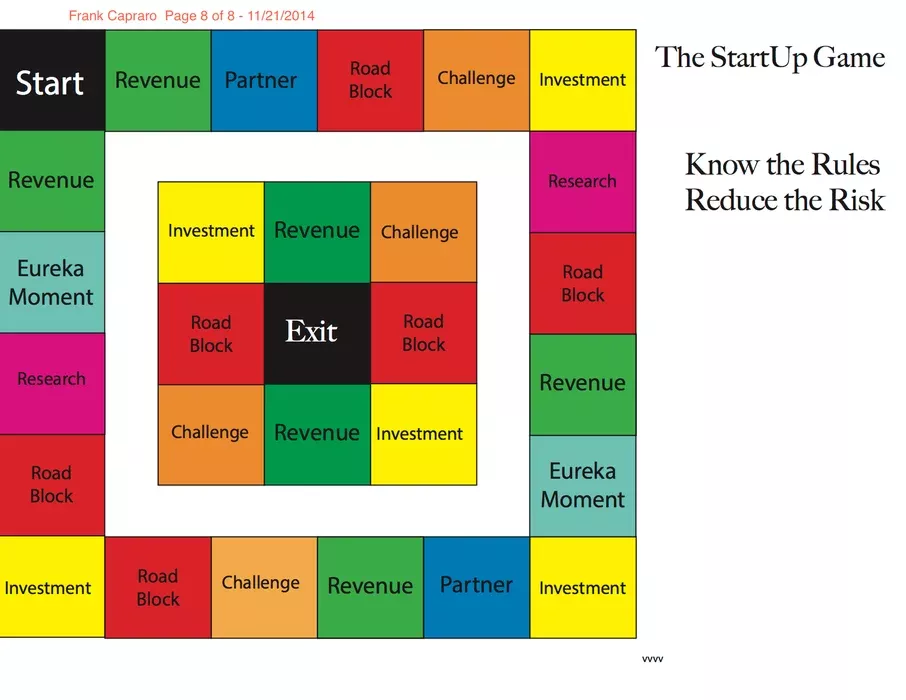
    Build Your Own Board Game
    Board game plan

    Learn more about the ins and outs of designing and building your own board game.
    Learn more
    How to Design a Board Game
    Board game

    Dive into the key concepts involved in designing your own board game.
    Learn more
    How to Design Specific Mechanisms
    Game mechanics

    Join top board game designer Adam Porter as he explores his favourite mechanisms in tabletop games in this series of videos.

    Watch now
    Challenge yourself

    If you need more of a challenge, here are some ideas to take your game to next level.

    Take your game to school to get other students to play it.

    Enter your game in a game design competition.

    Extend your game and the concepts it covers with an expansion pack.


    See All Activities
    Connect

    Want to know more or how to get involved? Are you an aspiring engineer or do you know one? We want to hear from you. Send us your questions and follow us on social media:

    Contact us: NextEngineers@fhi360.org

    Follow GE Aerospace
    Instagram LinkedIn X YouTube

    Follow GE VERNOVA
    Instagram LinkedIn X YouTube
    A groups of students

    Footer menu

    • Home
    • About
    • Inspiration
    • Cities
    • News

    Footer secondary

    • Terms of use
    • Privacy Policy
    • Cookie Policy
    • Research Study Notice
    • Next Engineers Privacy Notice
    • GE Aerospace
    • GE Vernova
    © 2025 FHI360