

AirBeeNBee
Build It!
| Ages | Cost | Time |
|---|---|---|
| 11+ | Medium | Multi-day |
While humans are unique in the scale, variety, and complexity of the houses and shelters we build, many other animals also build shelters for themselves. Termites construct mounds that are sometimes many meters tall. Beavers are well known for building dams. Octopi build shelters out of shells and rocks and, of course, birds build nests.
Even if animals do not specifically construct their shelters, many of them seek out and use natural shelters for various reasons. Some, like polar bears, seek protection from the environment, especially in extreme environments. Others require shelter for safety from predators or a secure and comfortable place to rest and sleep or raise their young. Some animals use shelters to store food, while others use them to mark their territory.
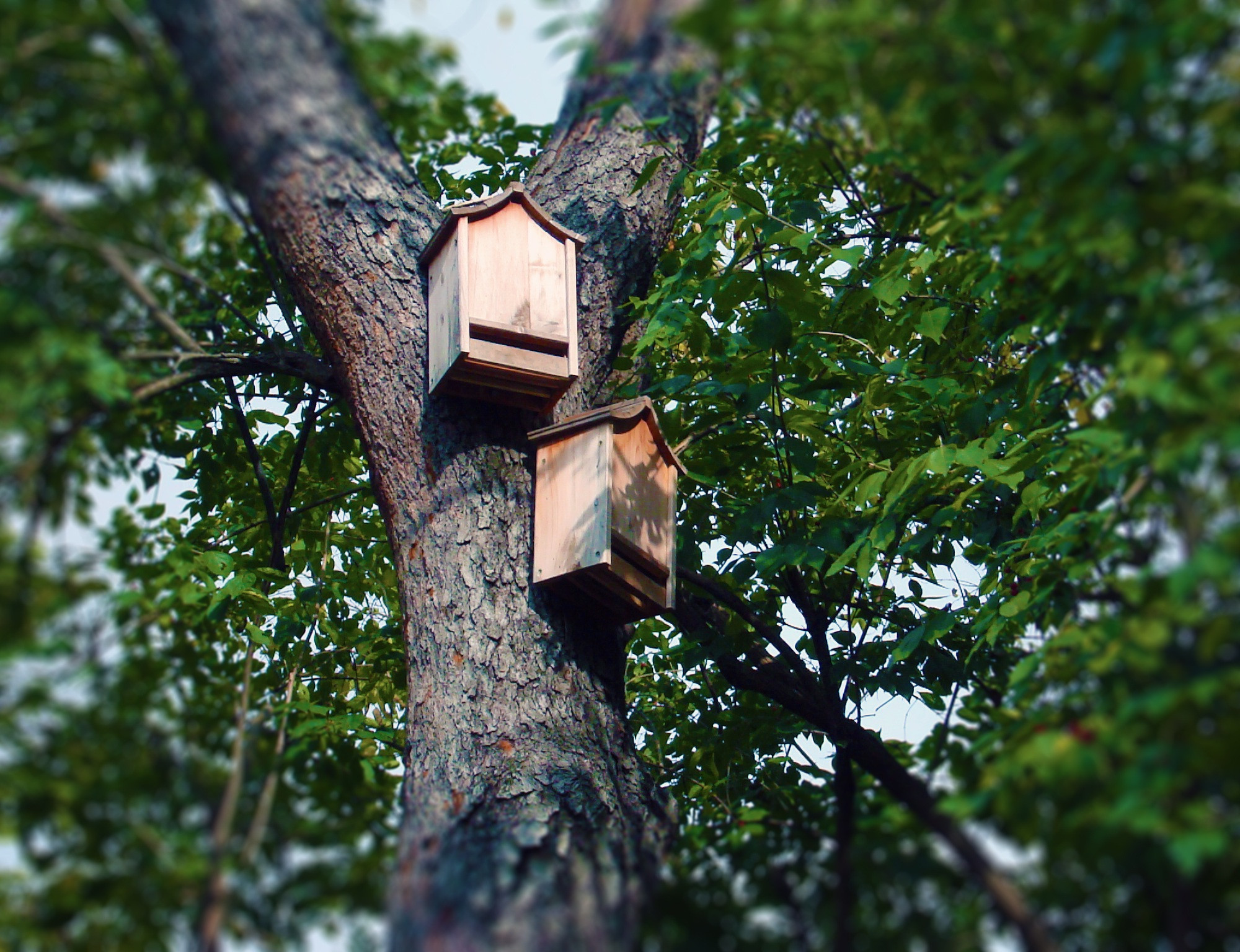
Sometimes, a lack of natural shelters or the resources with which to build them can prevent a species of animal from thriving in an environment. This is where people can help. For example, “bat hotels” which provide artificial roosting spaces, can encourage bats to move into an area and support growth of local populations. As such, they can mitigate the loss or fragmentation of bat habitats and help in conservation efforts. However, to be effective, they need to be well designed to meet the needs of bats, placed in the right areas, and well maintained.
In this challenge, you will get to design and build your own “animal hotel” for a wild animal of your choice living in your local area.
Remember to share your design with the world at #nextengineersdiy. You can design and build on your own, or form a design team with some friends. The choice is yours.
Engineers start by asking lots of questions. What problem must be solved? Who has the problem? What do we want to accomplish? What are the project requirements? What are the limitations? What is the goal?
Through this process, engineers start to identify the criteria (the conditions the solution must satisfy to be considered successful) and the constraints (the limitations they need to design within).
To start your design process, take a walk (or cycle) through your local environment (e.g., your own backyard, your local park, your neighborhood, or your town), taking note of the different kinds of wildlife that you find. Here are some initial questions you might like to ask yourself.
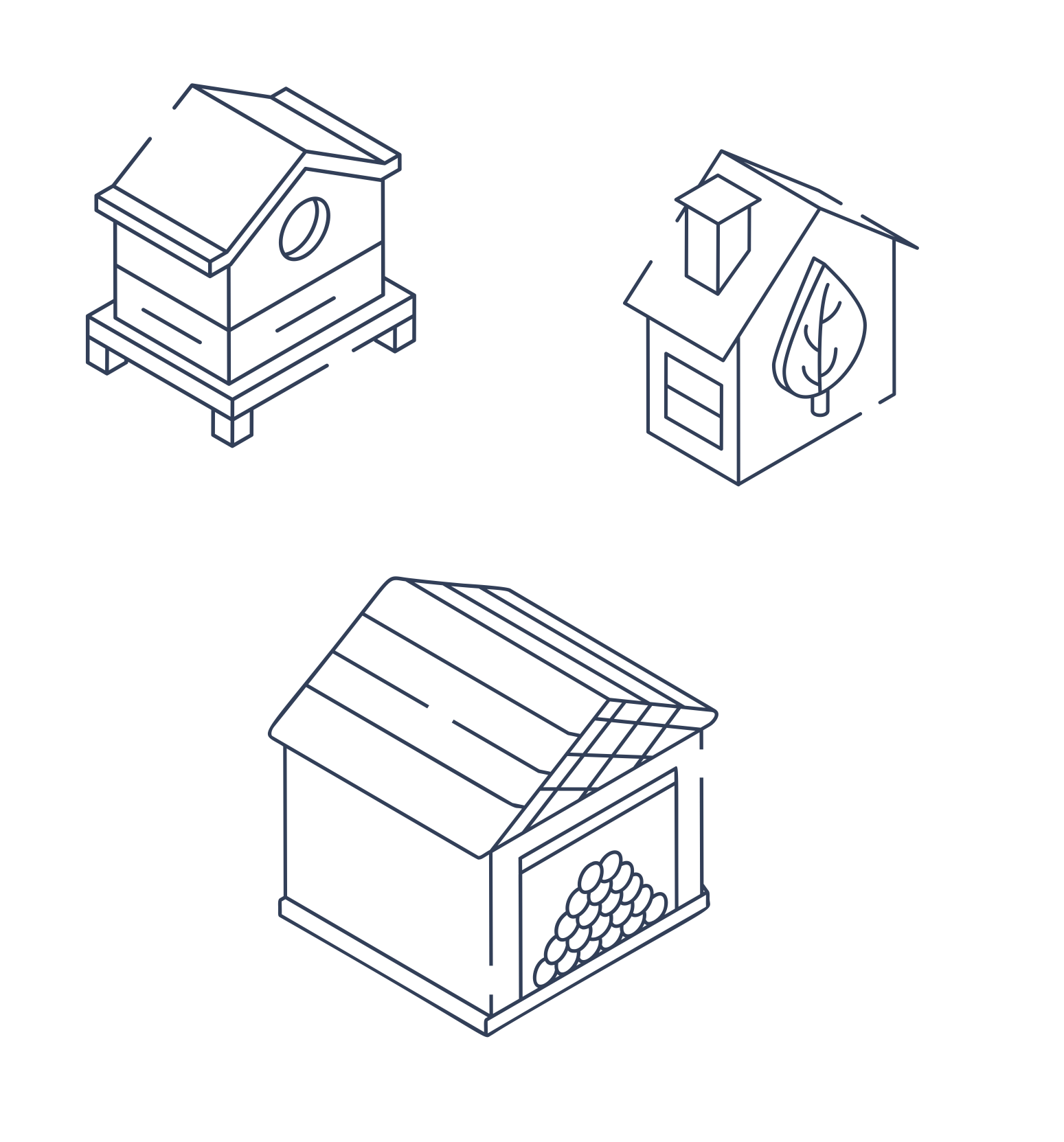
After you have an idea of the kinds of animals that naturally occur in your environment, it is time to decide which animal you are going to build a hotel for. Remember, you cannot build a hotel for a domestic pet. Besides this, you are free to choose to build for bees, beavers, beetles, bats, butterflies, bullfrogs, bass, or anything in between!
When you choose, think about which animals it would be good to have living in your environment. Do you want to attract more of them? What benefits would they bring? Think also about which animals might be under threat in your environment and how providing an animal hotel would help them.
When you have made your selection, you are ready to move onto the next stage of the design process. Don’t worry, you can change your mind if you like. It will just mean that you will have to find information about your new animal if you do.
Next, engineers dig deep into the problem by collecting information and data about the problem and any existing solutions that might be adaptable. They talk to people from many different backgrounds and specialties to assist with this research.
Now that you have chosen your animal, it is time to find out as much about it as possible so that you can design the best hotel possible. Gather information through your own observations and by using the internet. Here are some questions to consider.
Now the fun really starts! Engineers start to brainstorm ideas and develop as many different solutions as possible, sometimes even crazy ones! This is the time for wild ideas and delayed judgment. It is important to build on the ideas of others while staying focused on the core problem and while keeping the criteria and constraints in mind. For example, if there is a budget, can the potential solution be developed within that budget?
And while speaking about building on the ideas of others, don’t forget about building on the ideas of nature itself. Borrowing the designs and approaches nature has used to solve similar problems to your own is called biomimicry – literally mimicking biology. So, look carefully at the natural shelters that animals use or build to inspire your own designs.
Of course, you can also search the internet for shelters that others might have designed for the same or a similar kind of animal. How many of these designs show signs of having been inspired by nature?
Whether you are looking at natural or man-made ideas, ask yourself the following kinds of questions:
It is a very good idea to make sketches of your different ideas. Simple sketches on paper are good enough. They don’t need to be too neat or detailed and they certainly don’t need to be works of art. As you sketch your different ideas think about the animal(s) you are designing for and how they might interact with and benefit from the shelter. Think about what materials you might use to build it, how big it would need to be, where you would place it and how you would help it blend into the environment.
Drawing your ideas helps you to think through them carefully and systematically. Often, when you draw an idea, it makes you to think through the details and how it might actually be built. This can help you to uncover and solve issues before you even start prototyping. Changing an idea on paper is far easier.
At some point, you are going to need to settle on one of your ideas to take further and create a physical prototype of. Remember, though, that you can always ditch this idea and try one of your others if things don’t work out.
After engineers choose one or more of the most promising solutions to pursue, they create a prototype of the design. A prototype is a model that works well enough to test part or all of the solution. The purpose of prototyping is to build quickly and cheaply so that the costs of changing your mind or your design are not too high. Use prototypes to learn as much as you can about what works in the real world as quickly and as cheaply as possible.
If your design is quite complex and has different parts to it, consider prototyping and testing each part of your design separately first to make sure that it works as you expected.
Remember that one of the criteria is for you to build with materials that are eco-friendly and have as small an environmental impact as possible (visual and otherwise). You also need to make sure that whatever you build will be beneficial to the animal and not cause it any harm or distress.
Once you have something that you think is ready to test, you can move onto the next stage of the design process.
Most prototypes fail, but that is good. It tells engineers which ideas they should focus on and which they should move on from. Engineers also need to decide if their design really does solve the original problem.
Think about how you are going to test your animal hotel. Where will you position it? How will you attract your chosen animal to it (or keep other animals from gate crashing!)? Are there specific aspects of your design that you want to test? What data will you collect? How will you collect this data? Over what period of time will you collect data? How will you record, review, and analyze this data?
In this challenge, it is most probably going to be necessary for you to observe how your animal hotel works and how animals interact with it. It is a good idea to take videos and photos of these interactions over a few days. When you do, be sure not to disturb the animal(s). You want to see them behave as naturally as possible.
Some specific questions you might ask at this stage include:
If you find that your animal hotel (or some specific aspect of it) does not work as you expected (e.g., it was not used at all, it was used by the wrong animals, it was used irregularly or in ways you did not anticipate, it broke, was damaged, or physically failed in some way), then you need to think about what modifications you can make to improve your design.
Remember, there is no shame in failing. All the best engineers fail ALL THE TIME. It’s what they do when they fail that makes them great: they learn and improve!
After learning through testing, engineers redesign and retest as many times as they can until they have the best solution possible – one that balances the criteria and constraints. This is a process called optimization. Great engineers are not happy with a solution that only just works. They want to create the very best solution they can within their constraints. Make sure that you do the same.
Remember that failure is not the end – it’s only the beginning. Think about how you can improve your design. Maybe go back to the drawing board if necessary and choose another of your original designs to try or switch building materials. Which parts of your animal hotel can you improve upon? What parts of your design need a better solution altogether?
The most important thing is that you keep testing, learning, and improving.
Finally, engineers reach a point where they are satisfied with their solution and have optimized it as much as possible. It does not need to be perfect, but it should ‘satisfice’ – solve the problem and meet the criteria within the constraints. Engineers now communicate their solution to others.
You can share your design however you like – a video, pictures, a blog – and on any platform you like. Just remember to tag #nextengineersdiy.
You can use any materials you like so long as you do not spend more than US$15 (or its equivalent). Remember to get the permission and/or supervision of an adult before you use any tools or equipment.
Here are some materials and equipment that you might find useful. Your choice of materials will very much depend on what animal you build a shelter for and what kind of shelter you decide to build. You are encouraged to build using materials that you find around the house as far as possible.
Here are some resources you might find helpful to get you started.
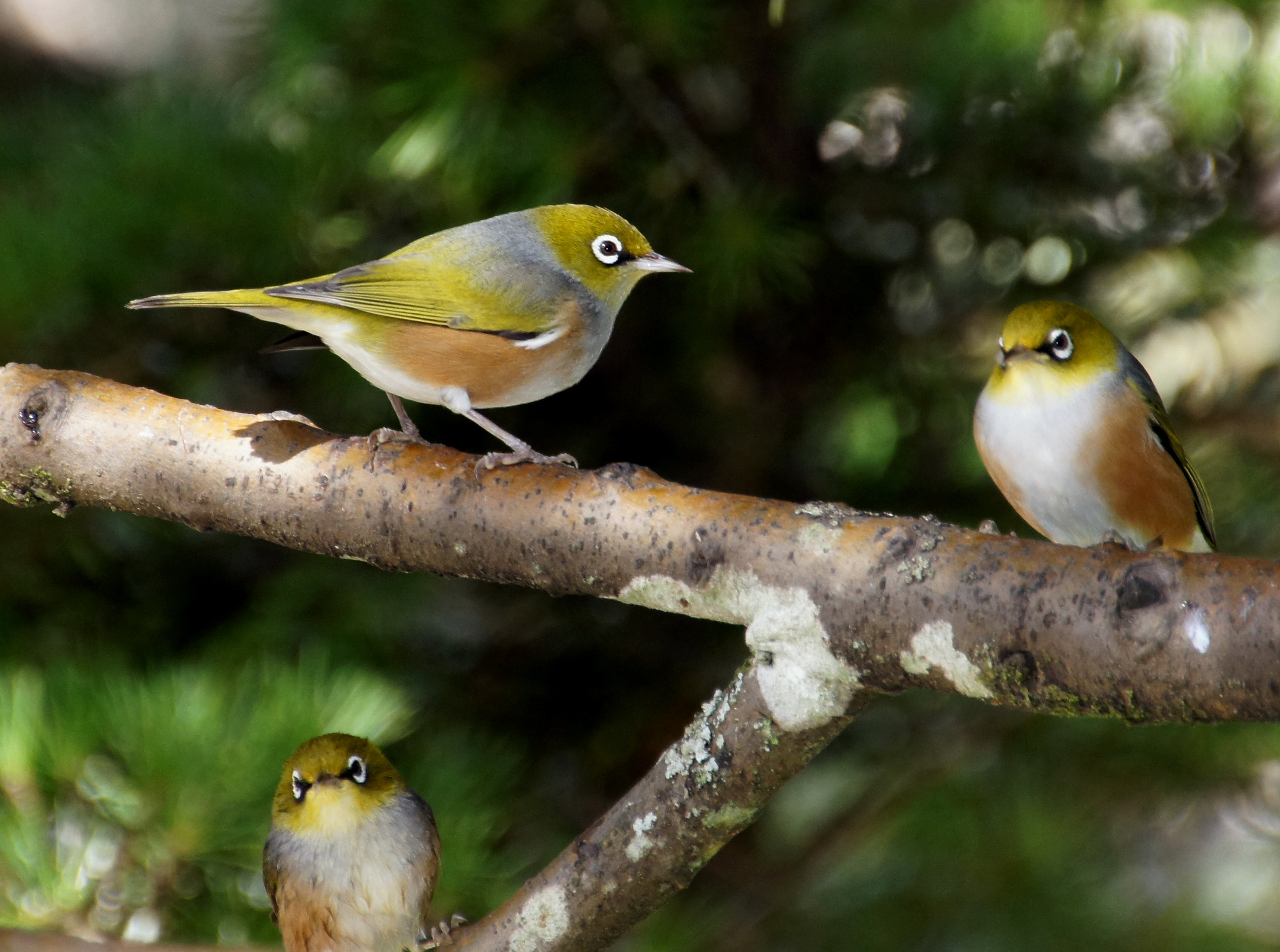
Learn more about the wildlife that share our cities and how to help them thrive.
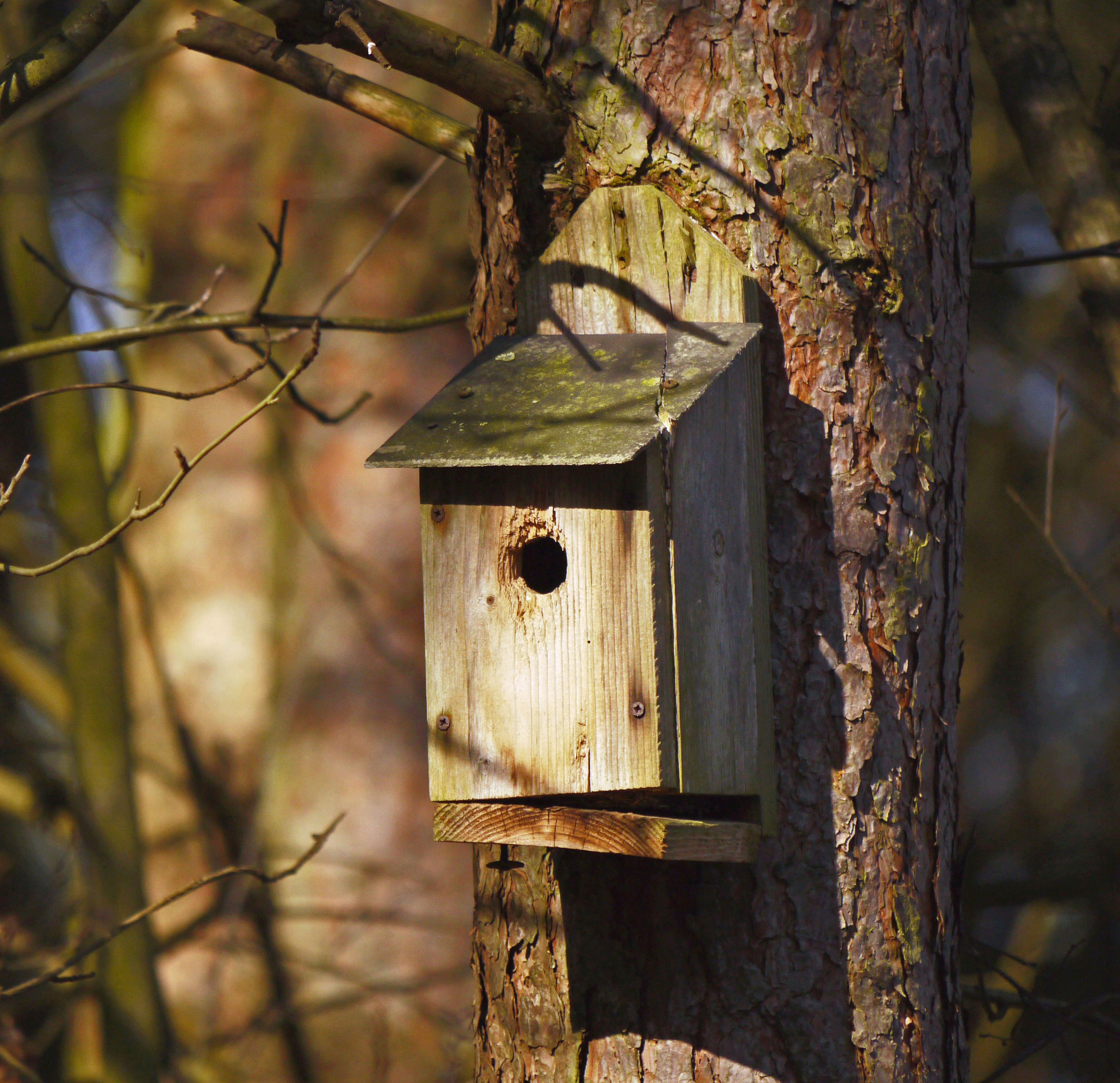
Get helpful tips for making nest boxes to attract birds.
Learn more about why some species of animals thrive in cities and how many are adapting to urban life in surprising ways.
Learn how to make your own bug hotel.
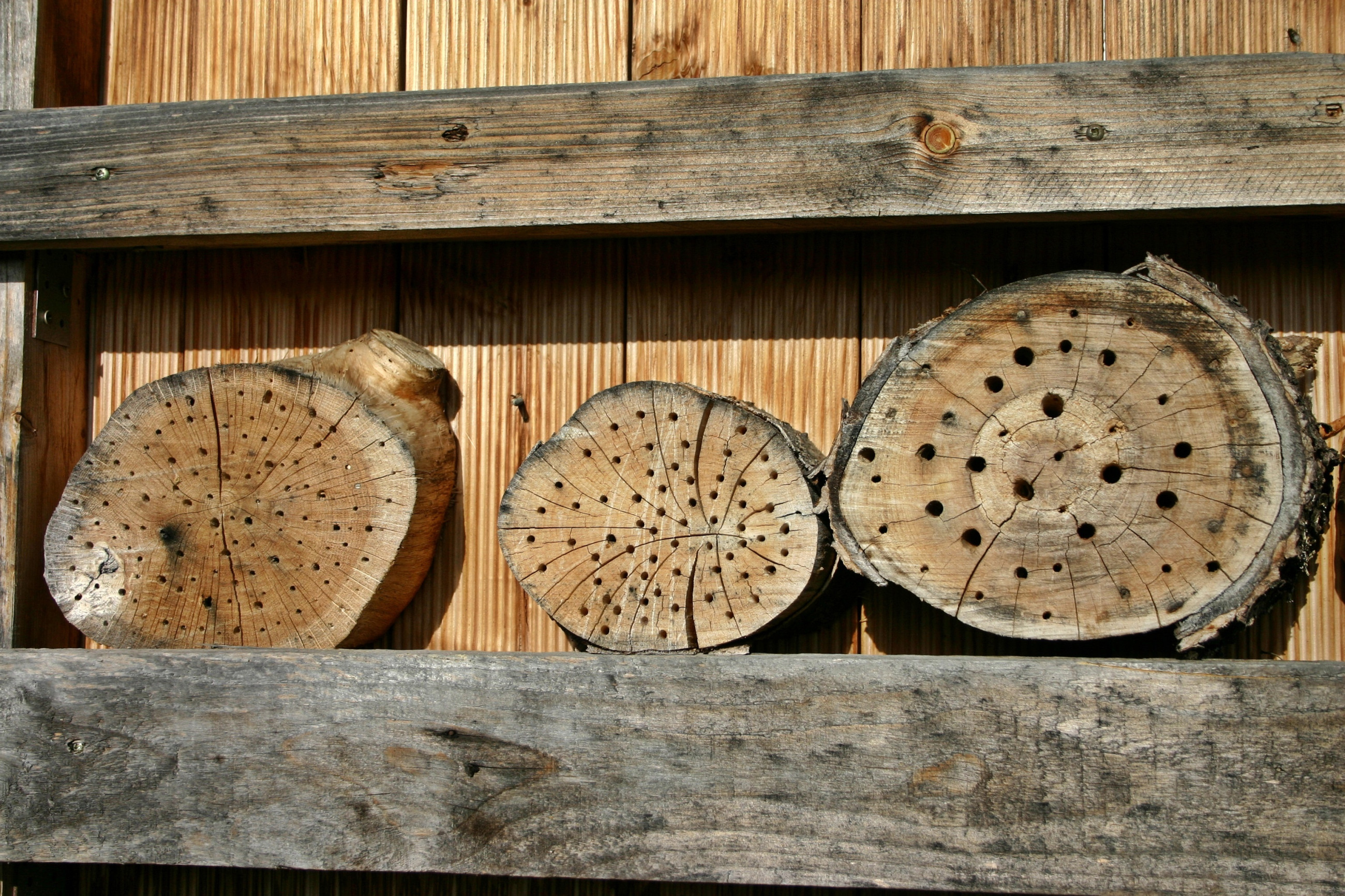
Give the animals near you a helping hand by creating new living spaces for them.
If you need more of a challenge, here are some ideas to take your design to next level.