What does it really mean to think like an engineer? For many young people, engineering can seem distant at first: complicated, technical, perhaps even intimidating. It may bring to mind equations, machines, factories, aircraft engines or production lines - but not necessarily teamwork, creativity, responsibility, communication, or the quiet satisfaction of seeing an idea become something real.
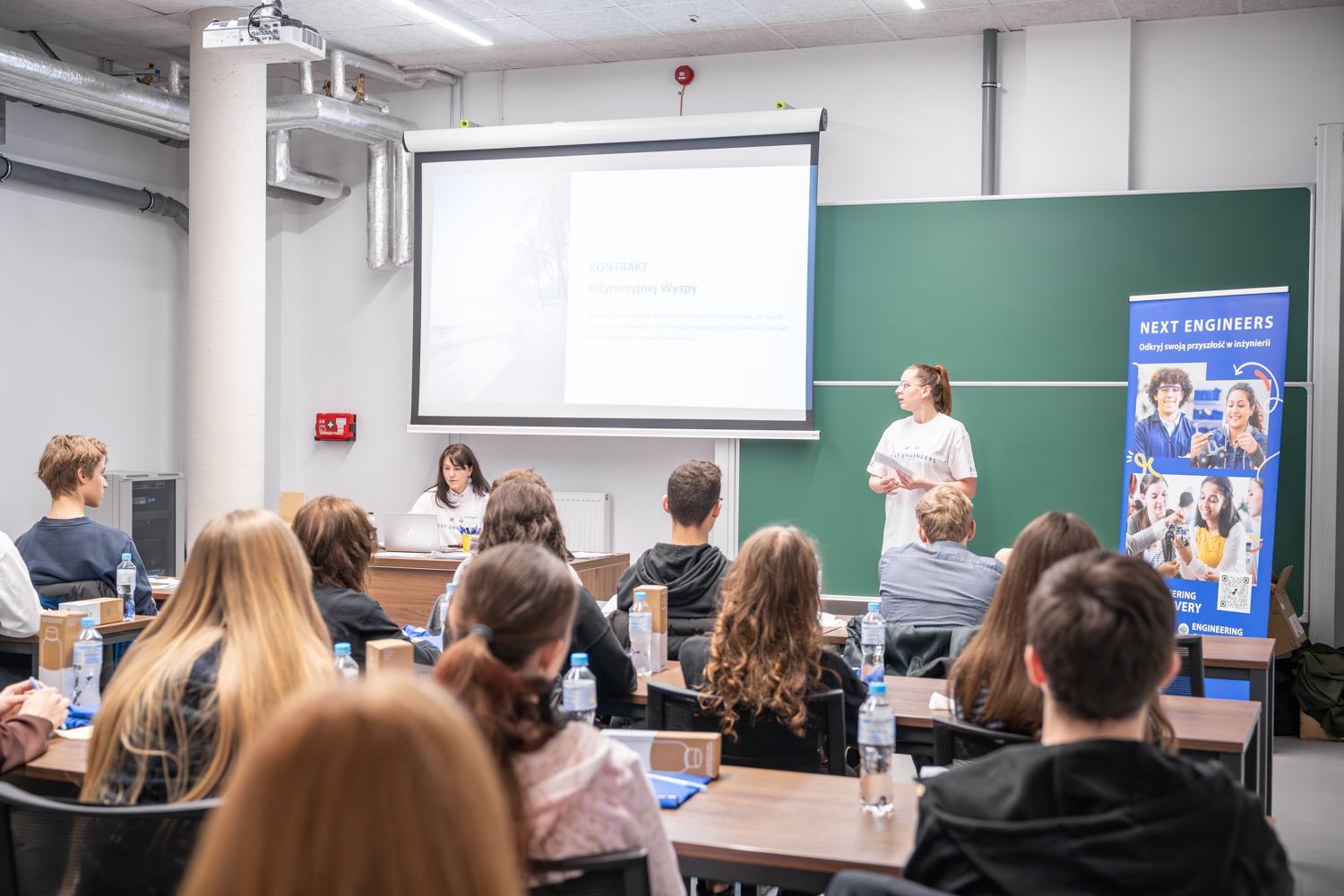
For the second cohort of Next Engineers: Engineering Academy in Warsaw, this picture has started to change. After months of working together, building, testing, presenting, asking questions and meeting GE Aerospace engineers, the participants can already name what has changed - not only in the way they understand engineering, but also in the way they see themselves.
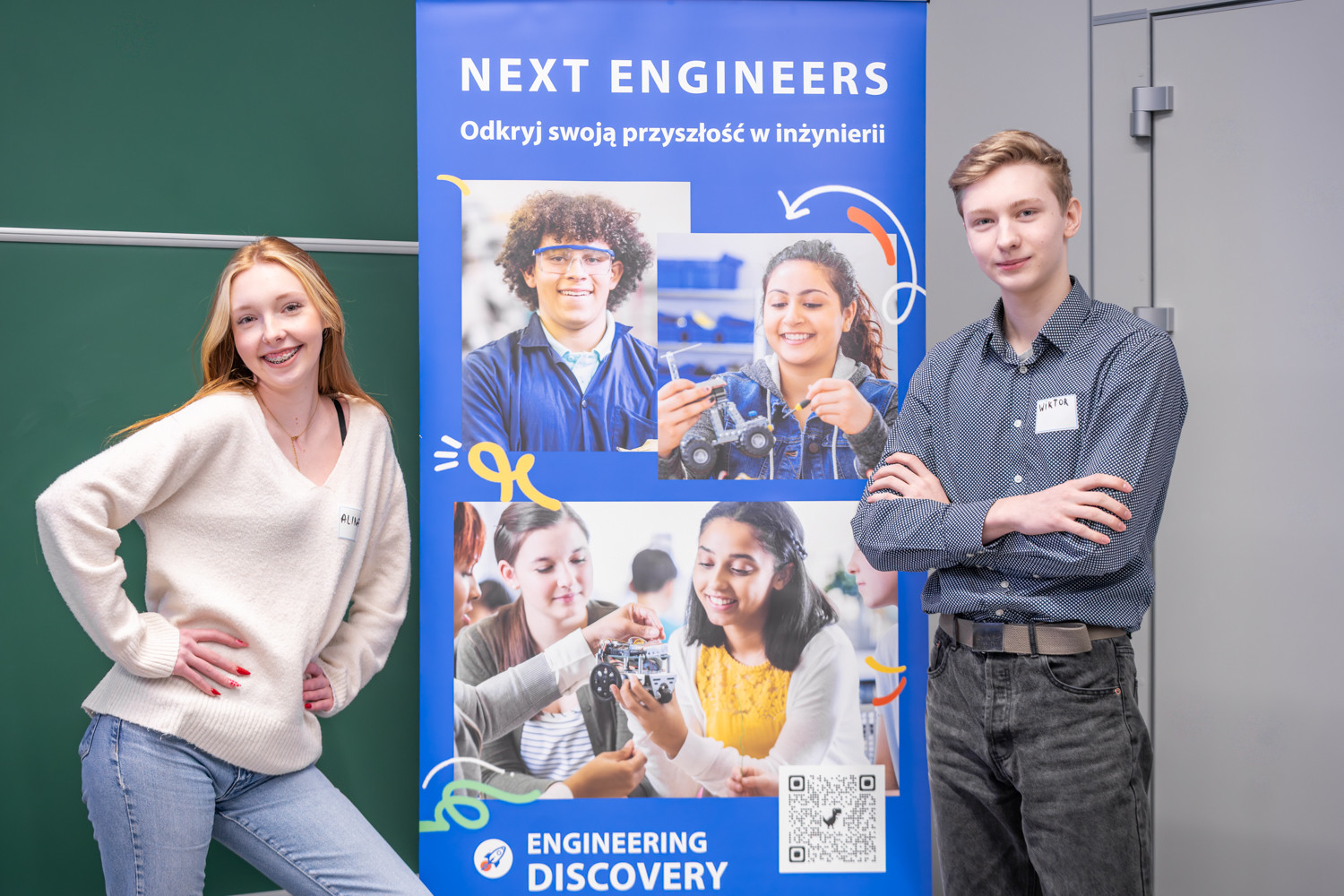
Three of them shared their reflections after the first semester: Alina, a 3rd-year student at the Stanisław Noakowski Technical School of Architecture and Construction; Tomasz, a sophomore at the José Martí XXII General Secondary School with Bilingual Programs; and Wiktor, a sophomore at the King Jan III Sobieski CLIX General Secondary School.
When asked to describe the GE Aerospace engineers they had met in one word, their answers were simple and powerful. Tomasz chose: “Curious.” Wiktor said: “Creative.” Alina called them: “Inspiring.” Together, these three words tell a story of what the Academy is really about: discovering engineering not as an abstract profession, but as a way of thinking, creating and solving problems with others.
Engineering is Not Only About the Final Product
For participants, the most surprising aspect of engineering was not the machines or the formulas, but the importance of time, responsibility, and process.
“Something that was very cool to notice is how much work and how much time goes into designing something, creating it, making it go through the entire production line, and finally releasing it for public use," said Tomasz.
“The sheer amount of work and the responsibility for what they create - making sure it meets all the standards and is functional," Alina added.
The Academy helps teach that engineering is a long, demanding process of asking questions, testing assumptions, improving prototypes, working with constraints and taking responsibility for the outcome.
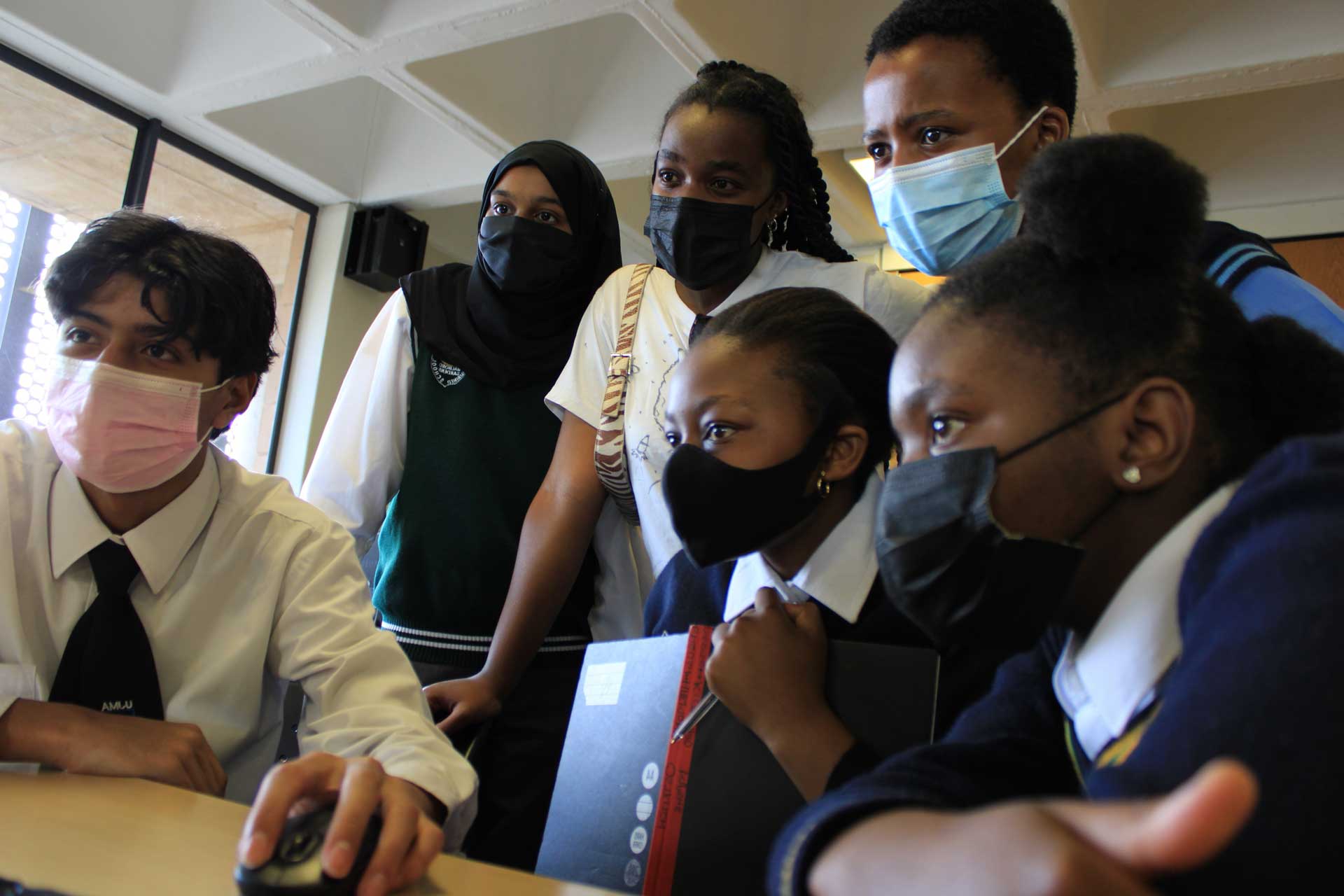
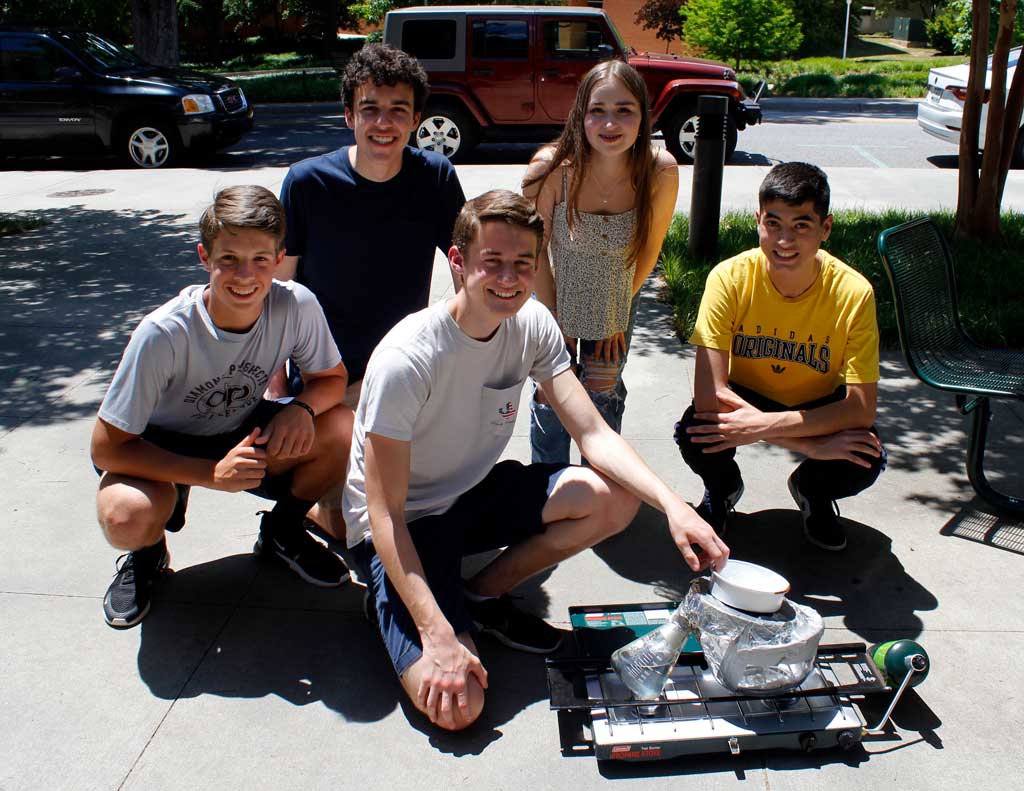
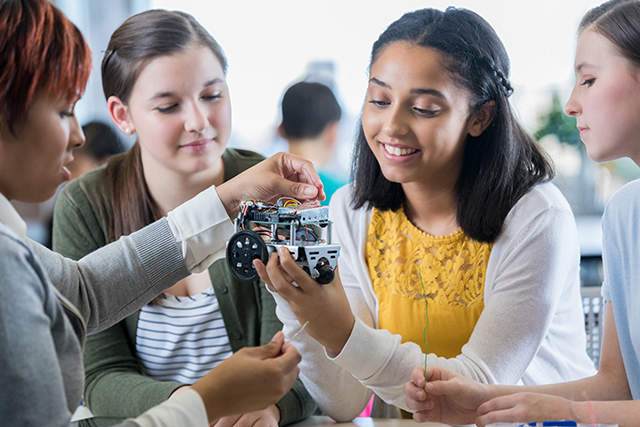
That lesson became especially visible during hands-on projects. Participants worked on design challenges such as building a Rube Goldberg machine and constructing chairs out of cardboard. These tasks required real engineering thinking: planning, communication, iteration, testing, compromise and problem-solving under time and material limitations.
“The biggest success was building this chair," Tomasz claimed. "The whole process of designing, building, and the fact that at the very end, making a chair out of cardboard actually worked. Even though we had limited resources, materials, and time, this chair looked good, it was comfortable, it was exactly how we wanted it. It turned out really cool."
From Quiet Beginnings to a Real Team
At the beginning, group work was not easy. Many participants were still getting used to one another, and speaking up did not come naturally to everyone. “A lot of people were introverts who didn’t want to speak up at the very beginning," Tomasz recalled. "They were reluctant, embarrassed, because there were new people - and it is stressful, after all.”
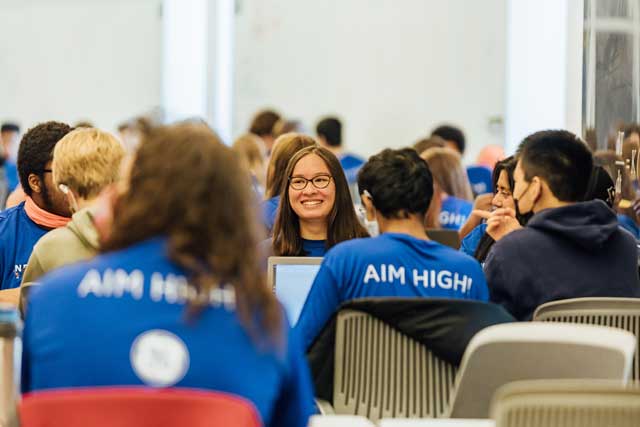
The more the group worked together, the more they opened up. Collaboration became smoother, faster and more natural. “Now I feel like the group has definitely opened up and people are more willing to talk," Tomasz said. "We got to know each other better.”
For Wiktor, one of the biggest successes of the semester was teamwork. “My biggest success was making that Rube Goldberg machine with my group," he stated. "That was a big success for us overall."
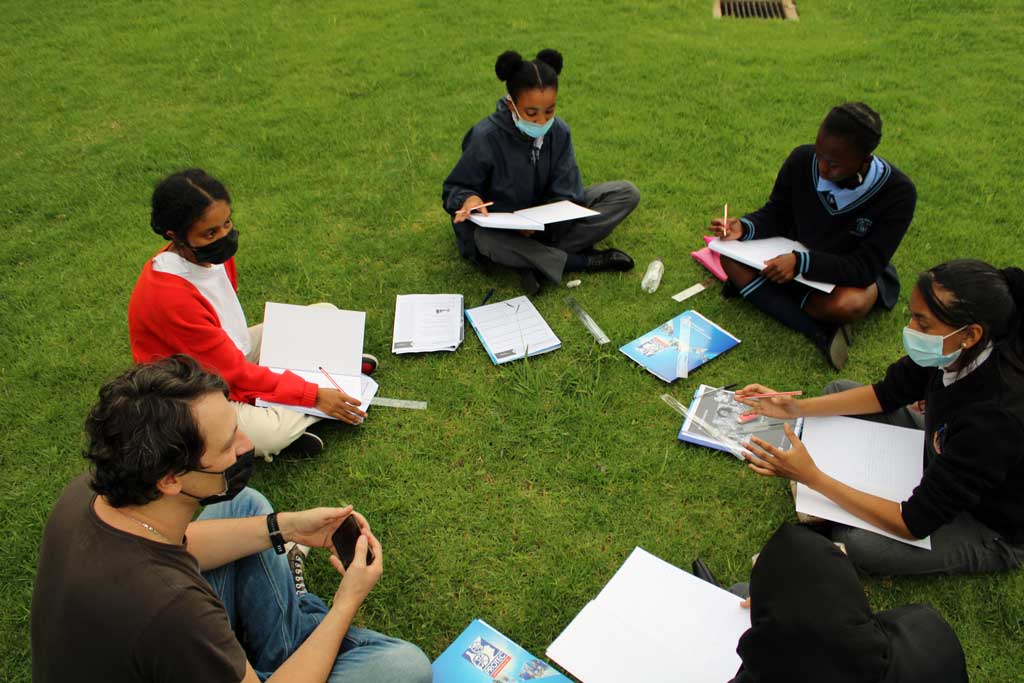
He also pointed to collaboration as one of the most important differences between the Academy and a standard learning environment. “There is a lot of group work," he added. "We often work in groups, we support each other. Usually, we do individual work outside the Academy, but here everyone helps each other — and it is just nicer, easier.”
A Different Kind of Learning Space
For the participants, the Academy also stands out because of its atmosphere. “Here, we can speak up calmly and freely, present our own opinions, and we won’t be judged for them or told that we shouldn’t think that way and it has to be done differently," Alina commented. “Everyone has a right to their own opinion and project."
For young people learning to think creatively and technically, this kind of space is essential. It allows them to test ideas before they are perfect. It makes room for questions, mistakes and uncertainty. It teaches them that engineering is not about always being right the first time, but about learning how to improve.
Students are encouraged to think, propose, argue, test and refine. They learn that there may be many possible routes to a solution - and that the role of an engineer is to understand which one works best, and why.
Meeting Engineers from the Inside
One of the most powerful elements of the semester was direct contact with GE Aerospace engineers. Participants met people who design, test and develop real technologies - people who could explain what engineering work looks like from the inside. These encounters helped make the profession more tangible, more understandable and more human.
“Meeting engineers on a daily basis - who actually work as engineers every day and show us this from the inside - proves that it’s not just about a final product," Alina said. “It actually requires a vast amount of personal input, it’s a huge amount of work, and this process doesn’t take just a year or two, but rather 5 to 10 years for something to be created and become usable.”
This perspective changes the way young people look at technology. They begin to see not only the object itself — an engine, a structure, a system, a machine - but the years of human effort, imagination and precision behind it.
Engineering is for Everyone
Programs like Next Engineers help young people see themselves not only as users of technology, but as its future creators. When students meet engineers, build prototypes, present ideas and see their own competence in action, the question changes. It is no longer: “Is engineering for someone like me?” It becomes: “What kind of engineer could I become?”
This experience is exactly what Wiktor and Tomasz took away from the Academy, leading them to recommend it to other students interested in engineering. “It is worth a try," Wiktor said. “It is a valuable experience. I would recommend it to everyone."
Tomasz gave a particularly honest answer. “At the very beginning, I didn’t feel like it at all, and I was like: ‘Why did I even sign up? There is so much work," he claimed. But by the end of the semester, his attitude had changed completely. “It is worth taking the time to do the application. It is worth writing all those texts, designing that first thing right at the start.”
“Now these are some of the things I look forward to. I hope they will happen next week, because it is something cool, pleasant and surprisingly fun, considering the attitude I had at the very beginning," Tomasz concluded.
The Academy shows that engineering is demanding, collaborative, sometimes frustrating and deeply rewarding. It requires ambition, patience, communication, responsibility and willingness to keep going when the first solution does not work. But it also gives young people something rare: the chance to discover engineering not from the outside, but by doing it. After one semester, the students of Next Engineers: Engineering Academy in Warsaw have built machines, chairs, confidence, friendships and gained a clearer understanding of what engineers actually do.